



Universitetsavisen
Nørregade 10
1165 København K
Tlf: 35 32 28 98 (mon-thurs)
E-mail: uni-avis@adm.ku.dk
—
Academic life
Guide — Are you new to the city and not quite sure where to go to study? Or are you simply tired of your usual study spot and in need of some fresh inspiration? Uniavisen has been around the city testing study spots for you, so you can find a great place to settle down with your books every time.
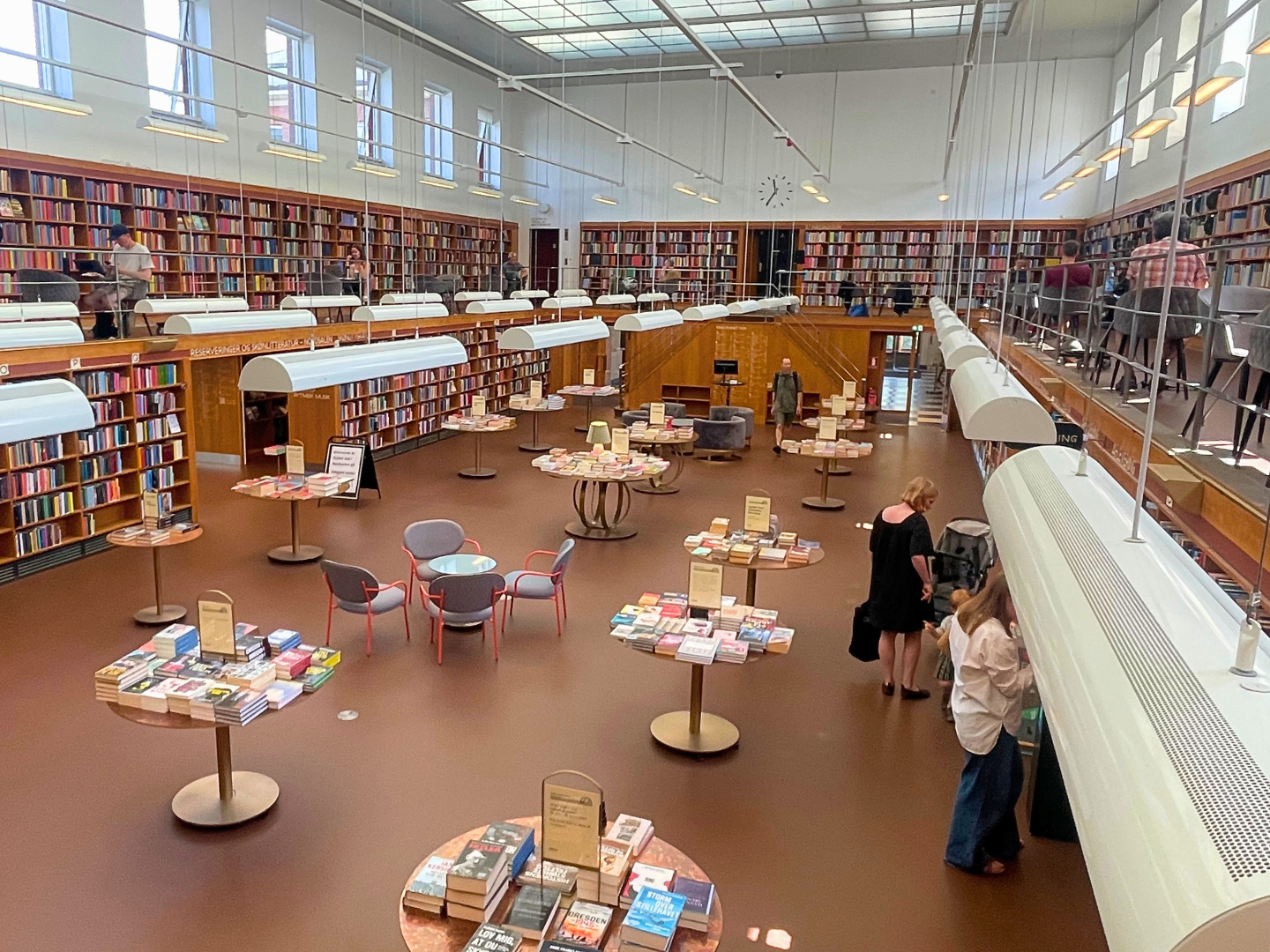
Libraries are a classic choice when it comes to finding a place to study, and the library on Rentemestervej is one of the largest in the city. With its large, open-plan floors, there is usually a good chance of finding a seat — but also of encountering some noise. The library is popular with families with children as well as other visitors who regularly use the library or attend one of its many workshops. Every Tuesday and Thursday, the café hosts a communal dinner from 5:30 p.m., serving a vegetarian meal for DKK 75.
KUB Nord, Nørre Campus’ university library, offers three reading rooms — one old and two new — as well as several open spaces for group work. Group rooms can be booked, making it easy to settle in and spend an entire day at the library. In the lunch room on the ground floor, you can boil water and heat up food, while the lounge next to the library desk offers soft sofas where you can take a break with a jigsaw puzzle or some knitting before getting back to your books. It is usually possible to find a seat in one of the reading rooms, but the library is a popular spot for group work, so during exam periods, you’ll need to get there early.
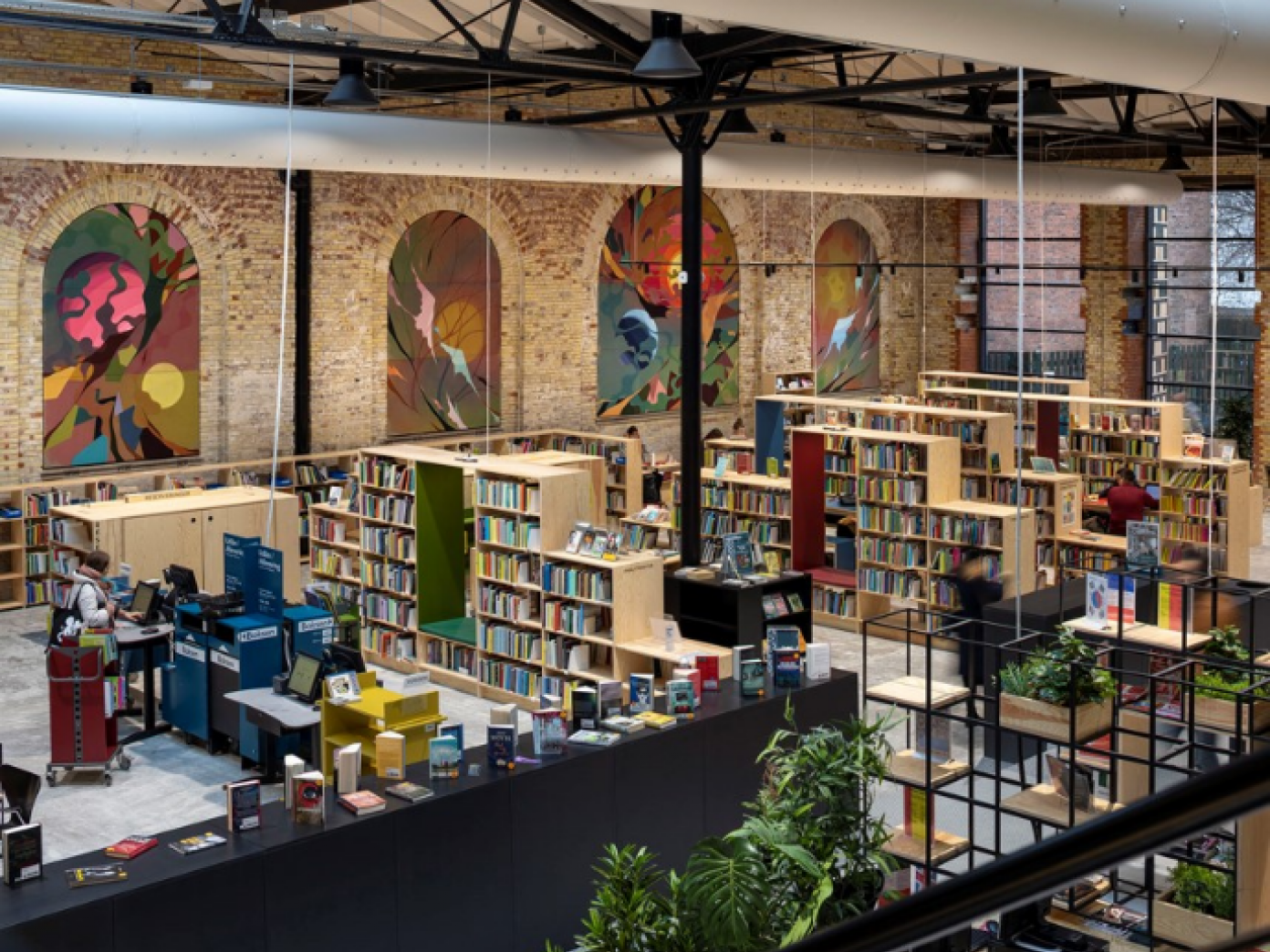
Nørrebrohallen is a lively community space. There is noise from both library visitors and playing children, and Nørrebrohallen, which the library is connected to, also houses various associations and sports activities, giving the place a constant buzz. What makes the library particularly appealing is the small zones that have been set up, offering plenty of space for group work. There are study spaces both on the lower level and on a small, open balcony upstairs. Right next to the library is the café Send Flere Krydderier, where you can buy a cup of coffee or a meal. They also host a community kitchen a couple of times a week.
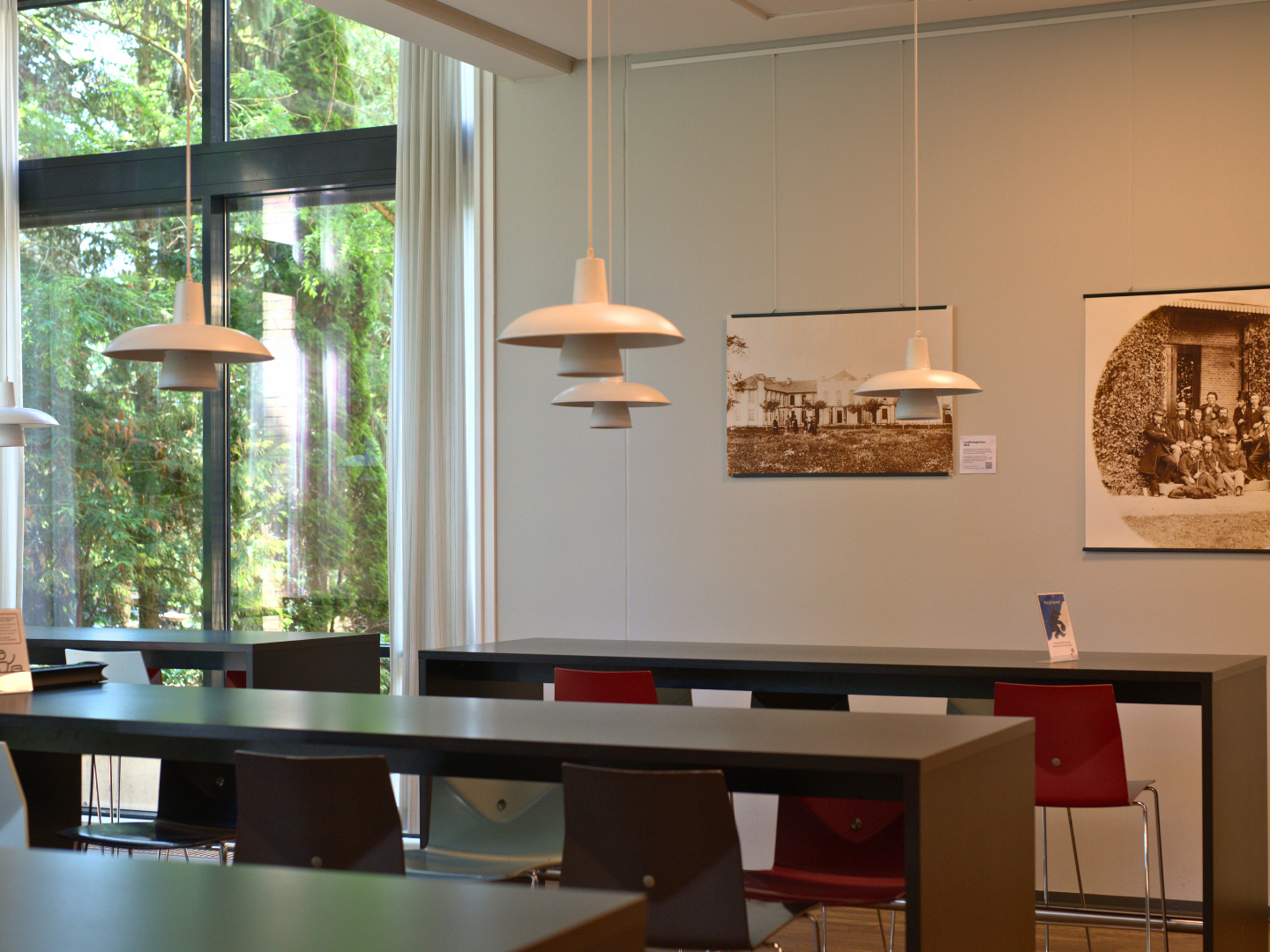
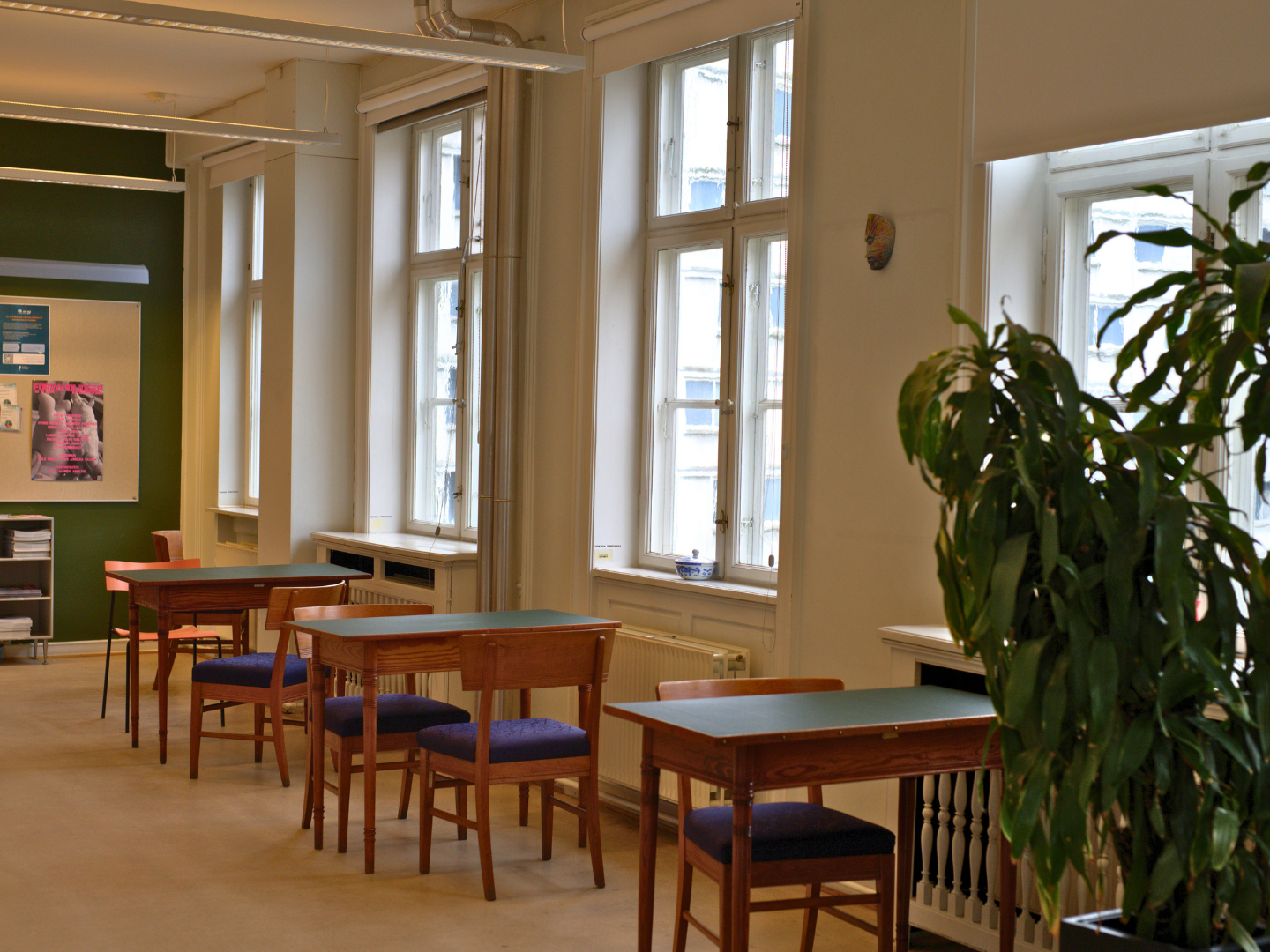
Beautifully situated overlooking the Botanical Garden, the university library on Gothersgade is a great place to study. The old building is filled with quirky and thoughtfully designed study spaces, with options to book group rooms, work in a silent reading room, or simply sink into one of the many sofas. There is even a massage chair tucked away in one of the library’s many corners. In the basement, you’ll find a kitchen with a fridge, microwave, and electric kettle, so you can spruce up your lunch as well as a coffee machine.
The library will close on September 1, which means that after August, you will no longer be able to borrow books there or get help from the librarians. However, the study spaces will remain available until the entire CSS moves to Søndre Campus. And who knows when that will happen?
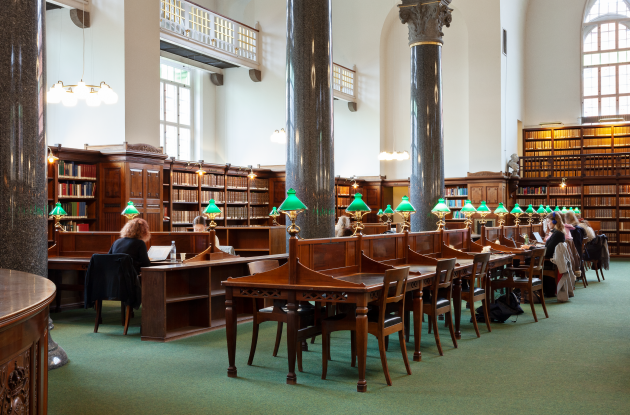
The Black Diamond is known for its beautiful old reading room, and it’s also a good choice if you prefer a slightly more formal atmosphere when you’re settling down with your books. The reading room is popular with visitors — including tourists — and although the library has taken steps to discourage curious visitors with cameras, you can still expect to be interrupted by them from time to time. The Black Diamond also has a newer reading room, where there is usually plenty of space, as well as various group tables — but during exam periods, they are in high demand. Students get a discount on filter coffee at the café, but apart from that, your student budget won’t get you very far. On the plus side, you can eat your packed lunch while enjoying the view of Copenhagen’s canals.
Studenterhuset, located next to the Round Tower on Købmagergade, is filled with students who come to study during the morning, creating a calm and focused atmosphere. You can get inexpensive coffee and lunch here, and Studenterhuset allows you to bring your own food as long as you buy drinks from the café. There are plenty of tables and seats both on the ground floor and first floor, but they do fill up, so you may occasionally find yourself out of luck. The later it gets, the louder the friendly chatter becomes, and in the afternoon, the peace is completely broken by young people stopping by for after-work drinks and various activities taking place in the building.
The Main Library is located directly opposite the Jewish Synagogue on Krystalgade. Here, you can sit surrounded by the buttery smell of croissants and coffee from Democratic Coffee. The prices are somewhat less democratic, though, so you may want to bring your own coffee and food. The library spans four floors, with cosy café-style seating on the ground floor. The third and fourth floors are dedicated to study spaces, with individual reading desks as well as areas for group work. On the fourth floor, you’ll find small booths equipped with chalkboards, which come in handy if you and your group need somewhere to write out equations. All the floors are open-plan, so remember your trusty noise-cancelling headphones if you’d rather not have your studying accompanied by the sound of escalators and children shouting.
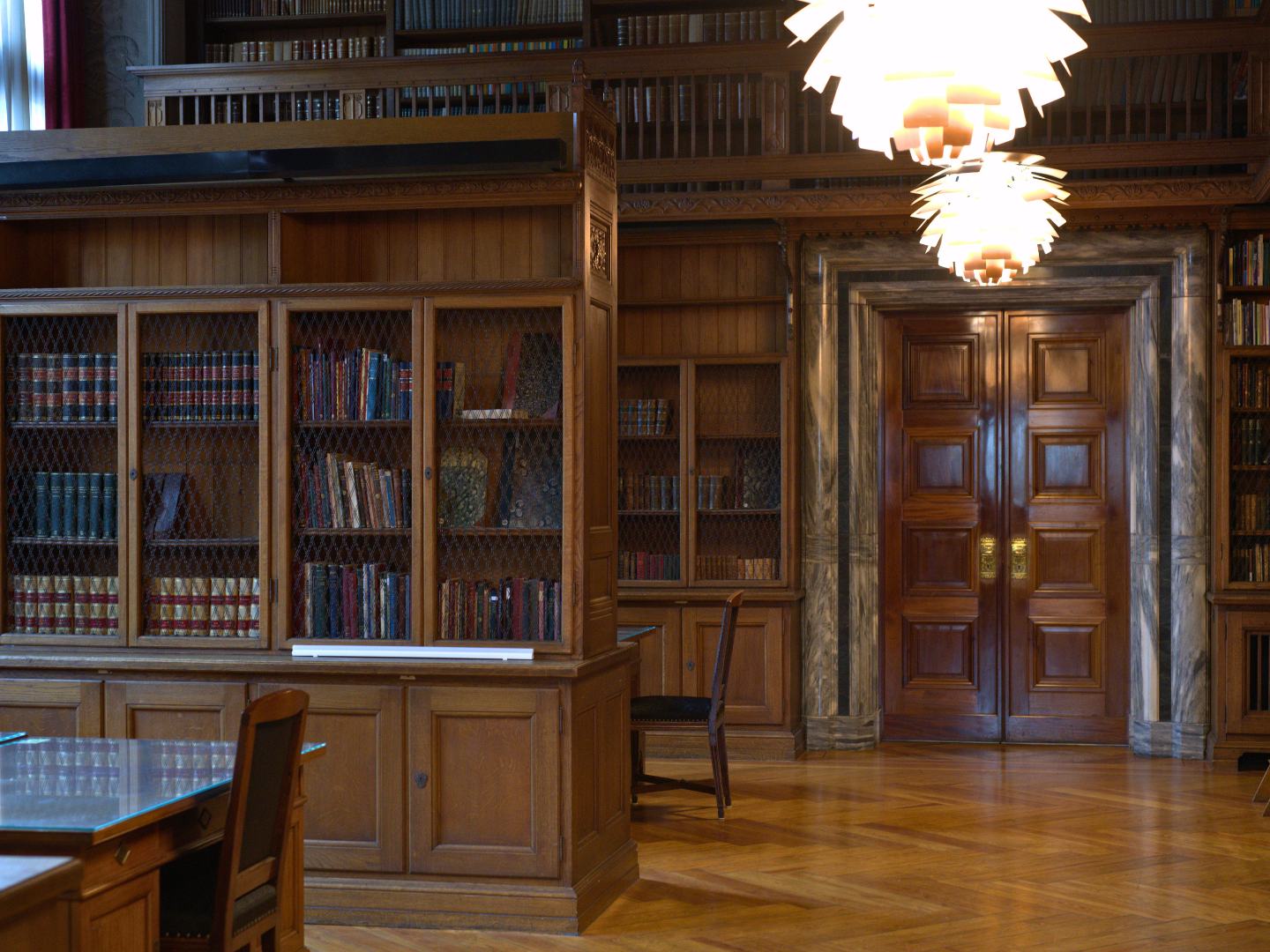
Missing a little dark academia in your life? Head to Copenhagen City Hall. On the second floor, you’ll find one of Copenhagen’s most beautiful reading rooms. Think old, heavy oak tables and chairs, ornate ceiling mouldings, and bookshelves packed from floor to ceiling with centuries-old books. The reading room isn’t particularly large and may perhaps be more decorative than functional. In any case, it isn’t closed off to tourists, so expect curious visitors to wander in during your study session. The chairs are also rather old and probably not exactly ergonomic. There aren’t many seats, but since it isn’t the city’s most well-known reading room, you may still be lucky enough to find a spot. You’ll need to bring your own coffee and food, but if you forget, there’s a Burger King just around the corner.
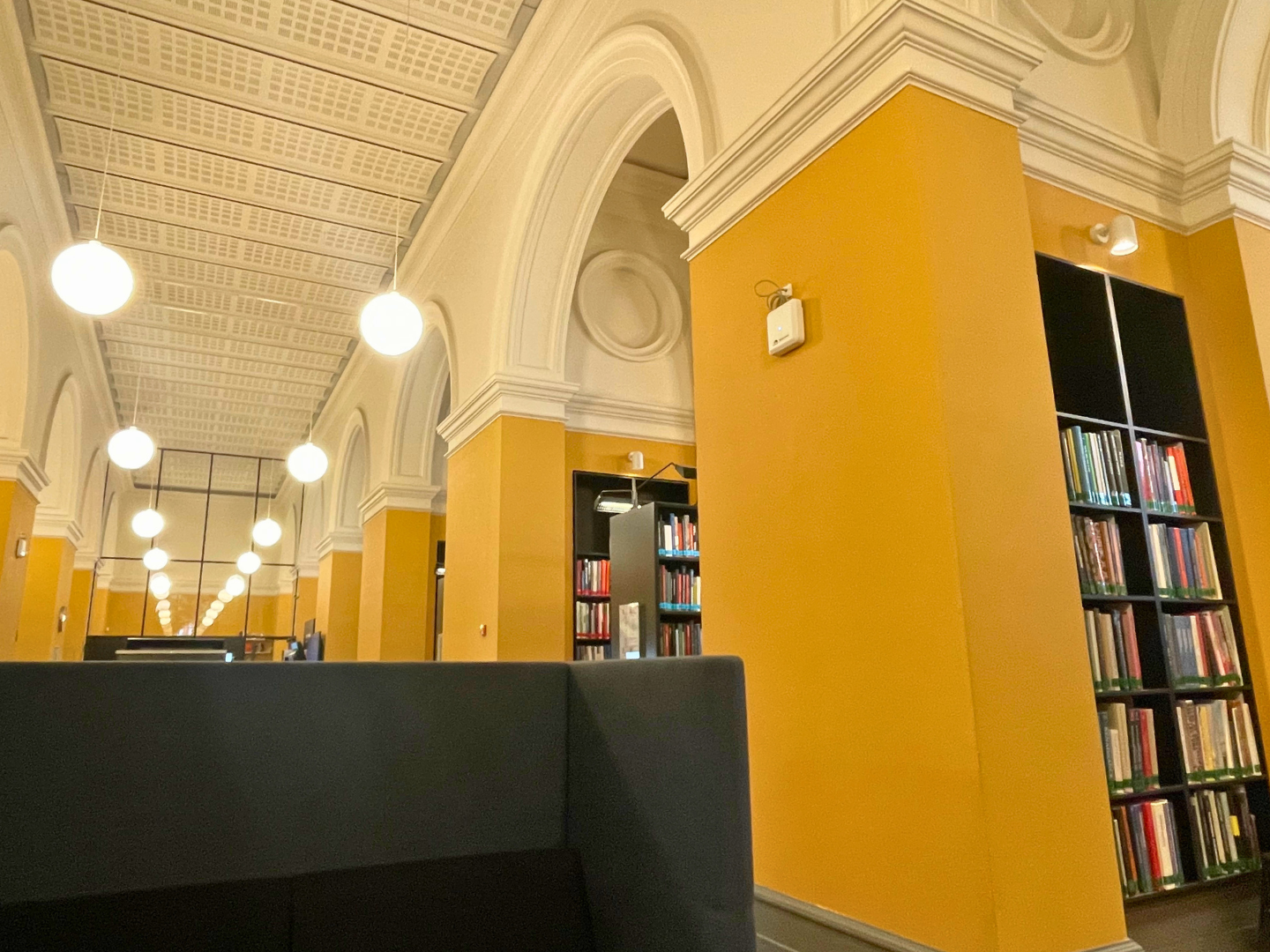
Right next to Charlottenborg Art Museum, you’ll find Kunstbiblioteket (The Art Library), the Royal Danish Library’s branch for the art schools. Despite its name, the library is open to the public. The beautiful old building features ornate details, tall yellow panelling, and whitewashed vaulted ceilings. There are plenty of nooks where you can hide away with your laptop or study group, as well as a silent reading room if you’re looking for complete peace and quiet. The Art Library is located right by Nyhavn, with all the tourist traps and sky-high prices that come with it. Remember to bring your packed lunch.
The former church, now a community hub for all sorts of activities, is furnished with long tables on the lower level and soft seating upstairs. You can study here on your own or with your group. Coffee costs between DKK 30 and 40, while lunch is DKK 60 for a filling meal. It’s a popular spot for parents on parental leave and unemployed table-tennis enthusiasts, so expect some noise and arrive early if you want to secure a seat.
Vesterbro Library and Culture House (Vesterbro Bibliotek og Kulturhus) is — you guessed it — both a library and a cultural centre. On the ground floor, you’ll find study spaces, a quiet zone, and tables for group work. There’s the option of buying mediocre vending-machine coffee or stocking up at the Rema 1000 just around the corner.
On Dyrlægevej, you’ll find a bust of the former rector, the Faculty of Science, the University of Copenhagen’s Department of Veterinary and Animal Sciences, and the Royal Danish Library’s Frederiksberg branch. The library is spread across two floors. The ground floor is dedicated to group work, while the open first floor has both quiet study spaces and areas for group work. There is also an enclosed silent reading room. On the ground floor, you’ll find a small kitchenette with an electric kettle and sink, as well as a coffee machine and snack vending machine to keep hunger at bay.
One of Frederiksberg’s public libraries is located on Danasvej, just a stone’s throw from Forum Station. The library is self-service, so you need to register as a user with Frederiksberg Libraries to get in. It’s a relatively small but cosy library, with plenty of green plants and seating. In the main library area, you’ll find comfortable armchairs arranged around a collection of round tables — perfect for a brainstorming session with your group. In an adjacent room, there is also a small reading area with eight little table clusters.
Frederiksberg Library is a truly beautiful and well-maintained building, with an interior charmingly renovated in its original 1935 style. The library has small corridors that you can easily get a little lost in, comfortable lounge furniture, spaces for group work, and a quiet lounge. You can buy coffee from a vending machine and have a chat with the librarians, who are on hand to help. In the basement, there are also plenty of tables that can be used for group work — although this is also where the children’s section is located, so it may not always be quiet. On the other hand, the slightly enclosed children’s area means that the rest of the library is relatively peaceful.
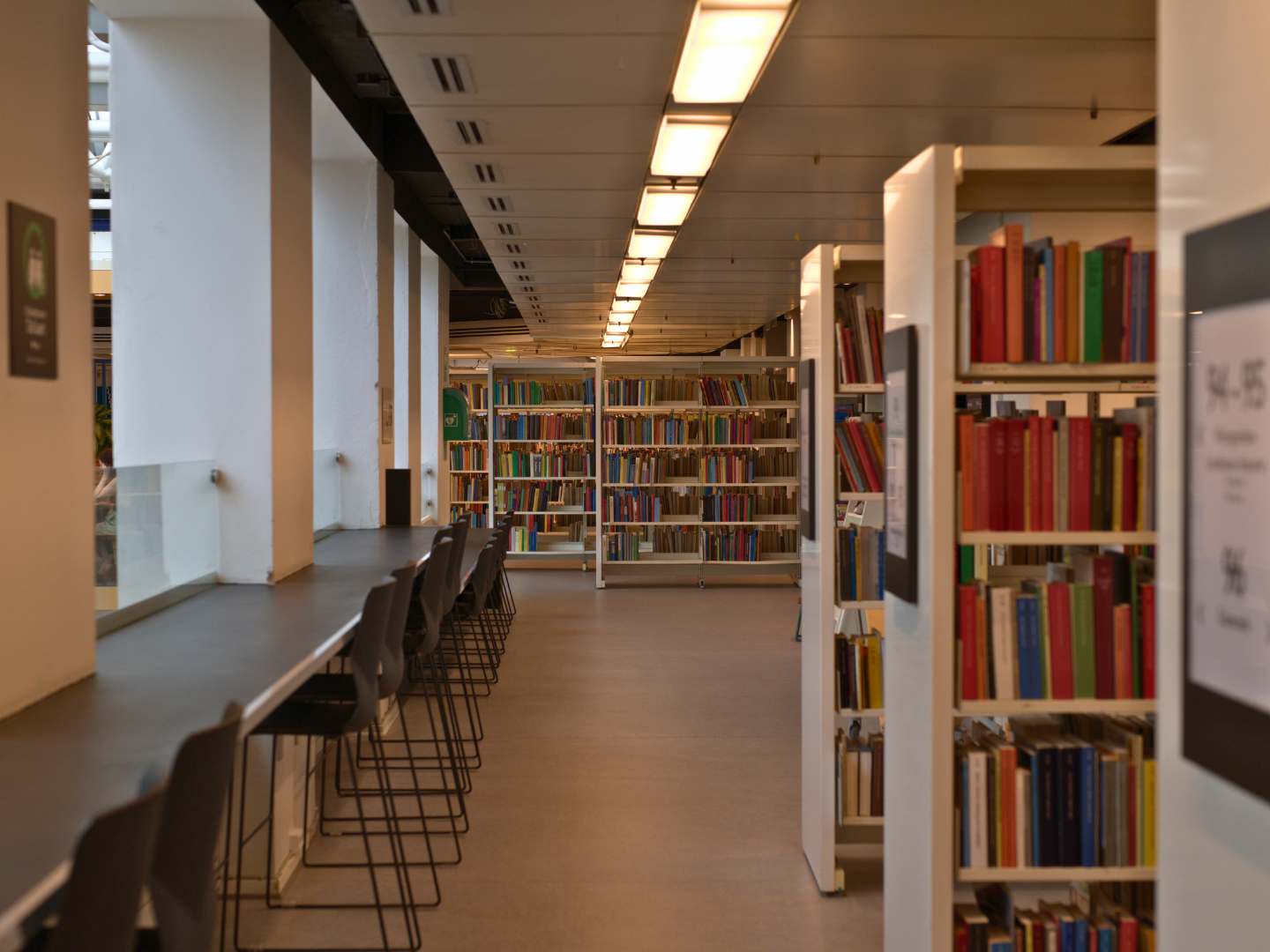
The library at Søndre Campus is one of the Royal Danish Library’s most modern buildings, made of glass and steel. The floors are open-plan, with a classic interior featuring linoleum floors and white metal bookshelves. There’s plenty of space, natural light, and high ceilings. You can book group rooms if you want to work undisturbed, and there are also group study spaces on the ground floor. On the first and second floors, you’ll find study spaces — both completely silent ones and areas where you’re allowed to chat a little. You can grab a coffee at one of the many cafés and canteens around Søndre Campus. And if you get tired of the library, there are tons of study spaces scattered around campus.
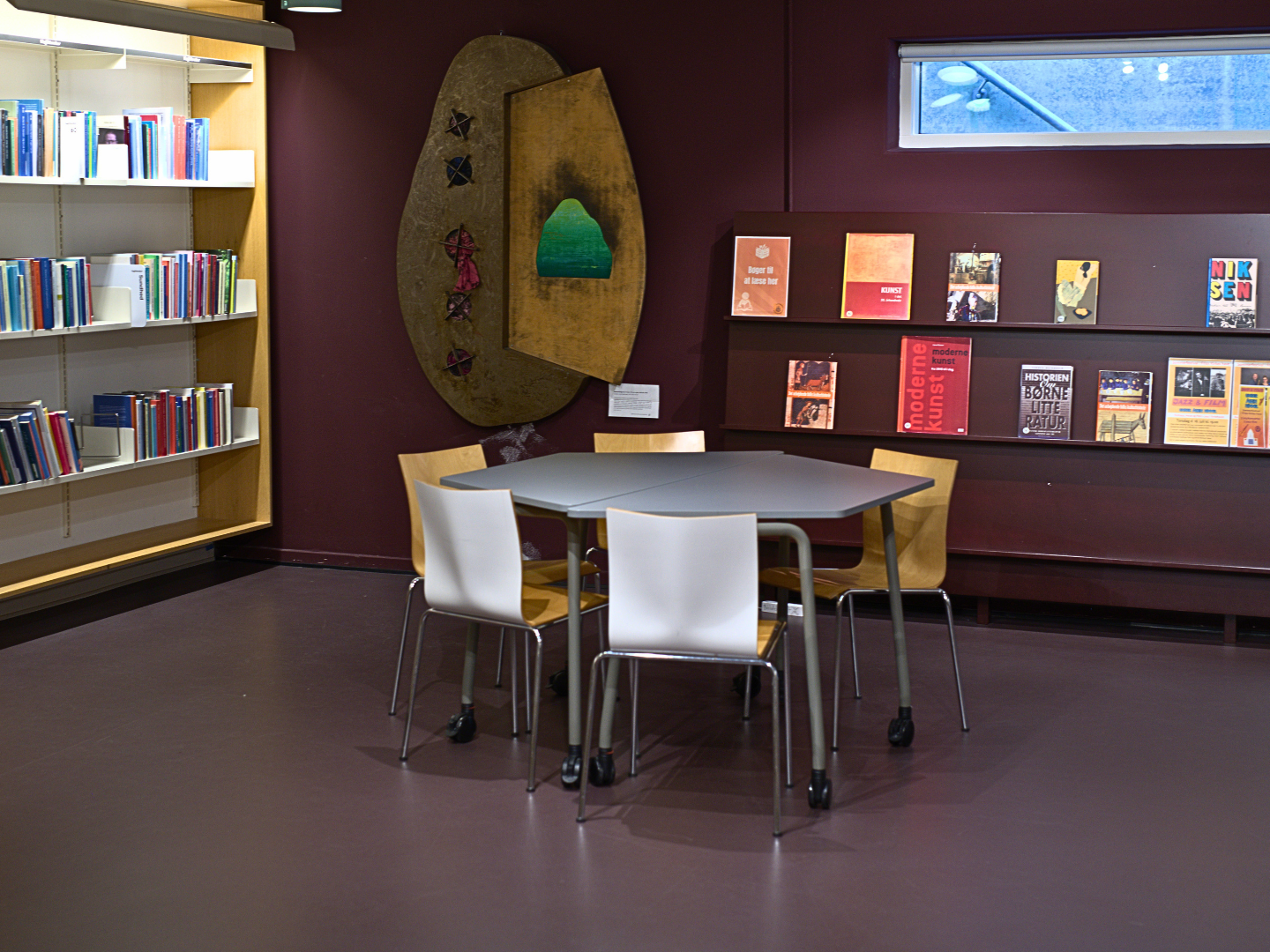
Need a change of scenery while studying, and live on Amager? Stop by Bibliotekshuset on Rodosvej. The library has a modern interior, with calm colours on the walls, light wooden furniture, and abstract art. The building spans three floors, with the children’s section on the ground floor. This means you can settle down and study relatively undisturbed both on the first floor and in the basement. The basement has three group tables, while the entire first floor is furnished with small tables where you can work in peace and concentration. An added bonus is the library’s rooftop terrace, where you can have lunch or get some fresh air while taking in the view of Amager’s skyline.
Østerbro Library is a public library close to Østerport Station. As with any library, you can expect some noise from other visitors, and perhaps a little extra from the children’s section at one end of the building. Settle down at one of the many window seats overlooking a small courtyard. If you need a coffee, you can grab one from the library’s small coffee machine by the entrance. There are also a couple of table clusters where there’s space for group work.
Øbro Jagtvej is located right by Poul Henningsens Plads. The library spans three floors, and on the third floor you’ll find a room that is well worth the climb up the stairs. Here, you’ll find cosy study spaces where you can sit and read the newspaper in peace — or work your way through all the articles you need to get through by tomorrow. It’s not a designated silent reading room, but given its location, it is relatively quiet. An adjoining room provides space for group work. If you need supplies for a long day of studying, you can stock up at the Netto right next door. On the second floor, where the fiction section is located, there are also a few window seats where you can study while enjoying a lovely view of the treetops and rooftops.
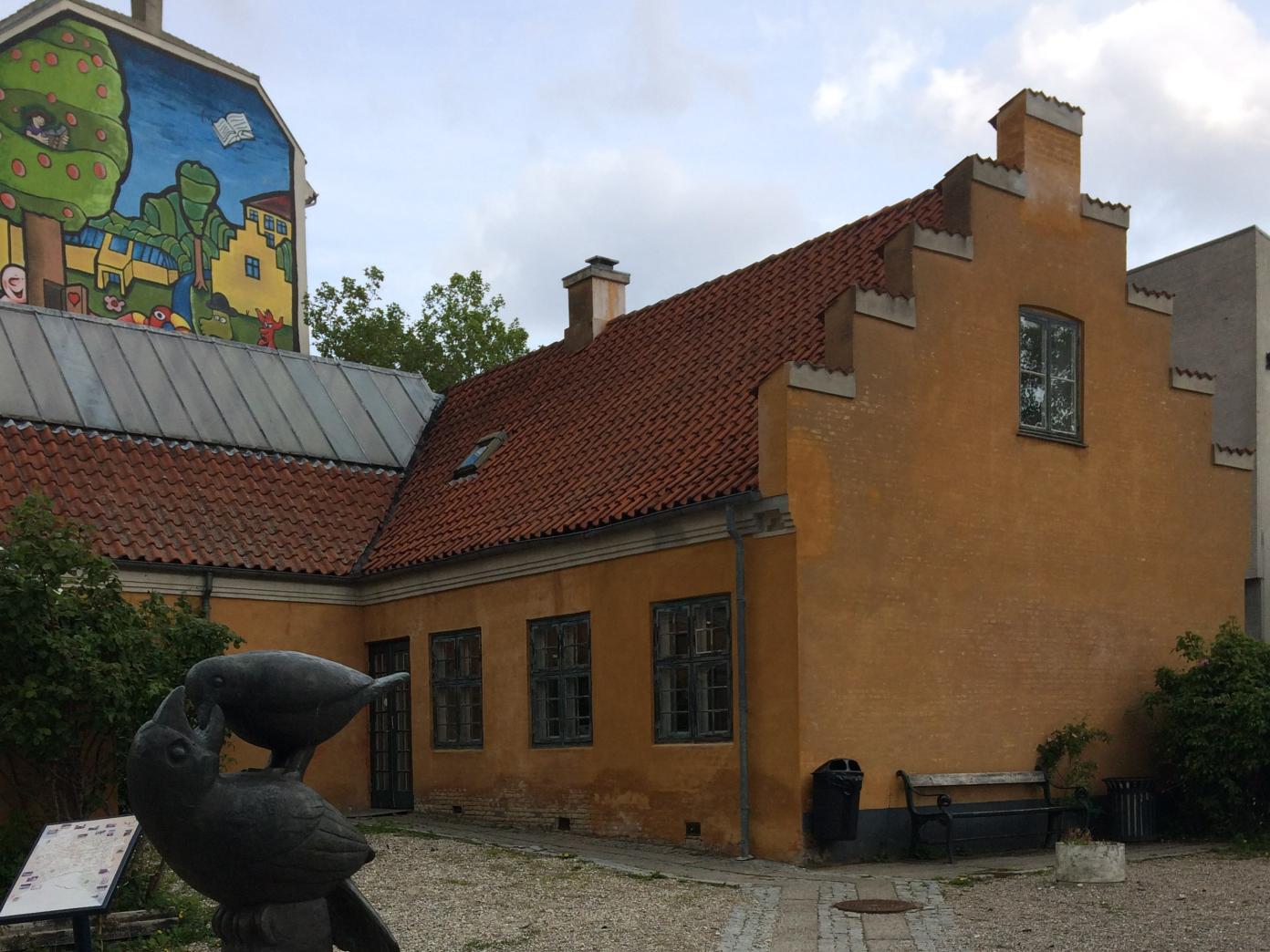
The library is the oldest building in the neighbourhood and is full of charm. The ceilings are low, but there are plenty of skylights, and the building is designed with settling down to read or study in mind. There are three study areas: a quiet area where you can also read magazines and newspapers, and two areas with space for group work. The library even has a small courtyard. There are no enclosed areas in the library, so you can expect some natural background noise from visitors and the small children’s section.