




Universitetsavisen
Nørregade 10
1165 København K
Tlf: 35 32 28 98 (mon-thurs)
E-mail: uni-avis@adm.ku.dk
—
Science
Give Peas a Chance — The soya bean is set to be replaced by the Danish pea in plant-based food. University of Copenhagen associate professor explains the sustainable food initiative.
For some years now, researchers at the Department of Food Science, University of Copenhagen (UCPH), have been developing a more plant-based diet so that our food systems can be more sustainable.
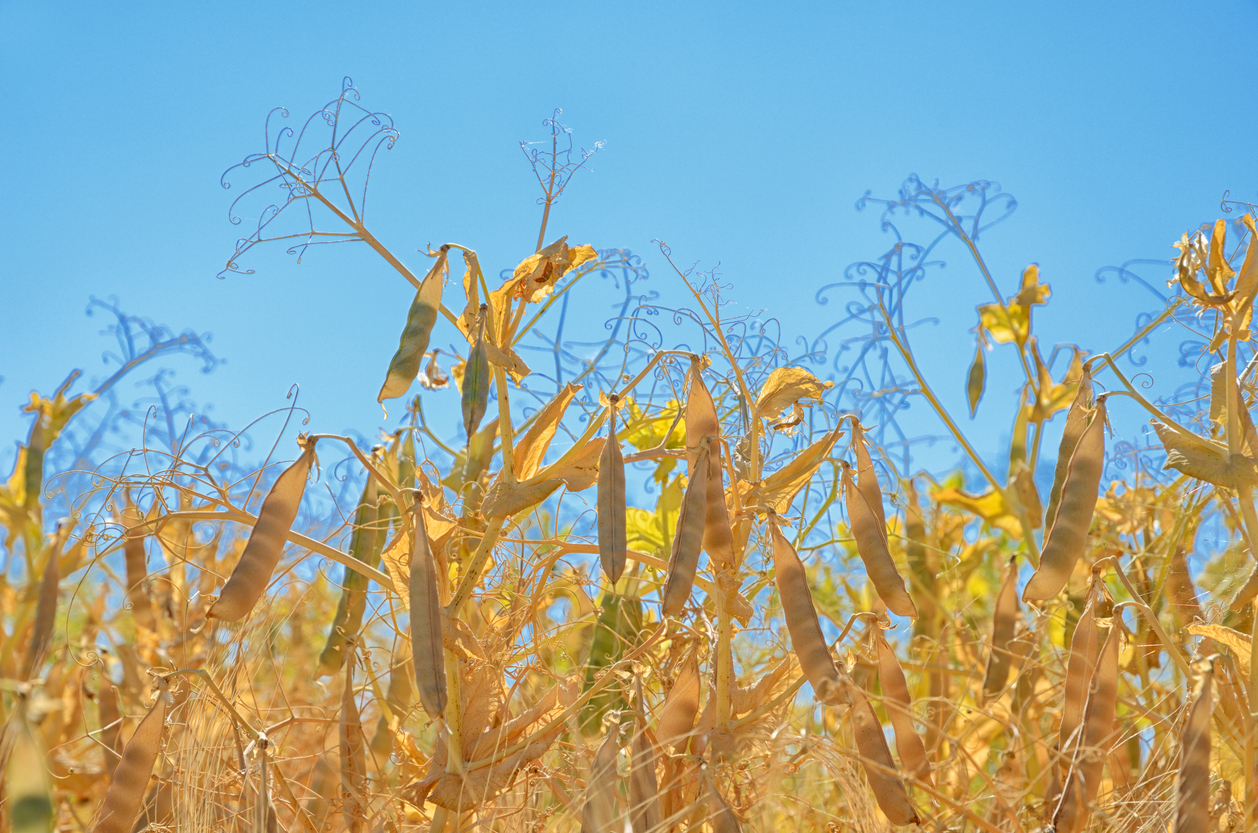
Now they are specifically taking a closer look at the Danish pea.
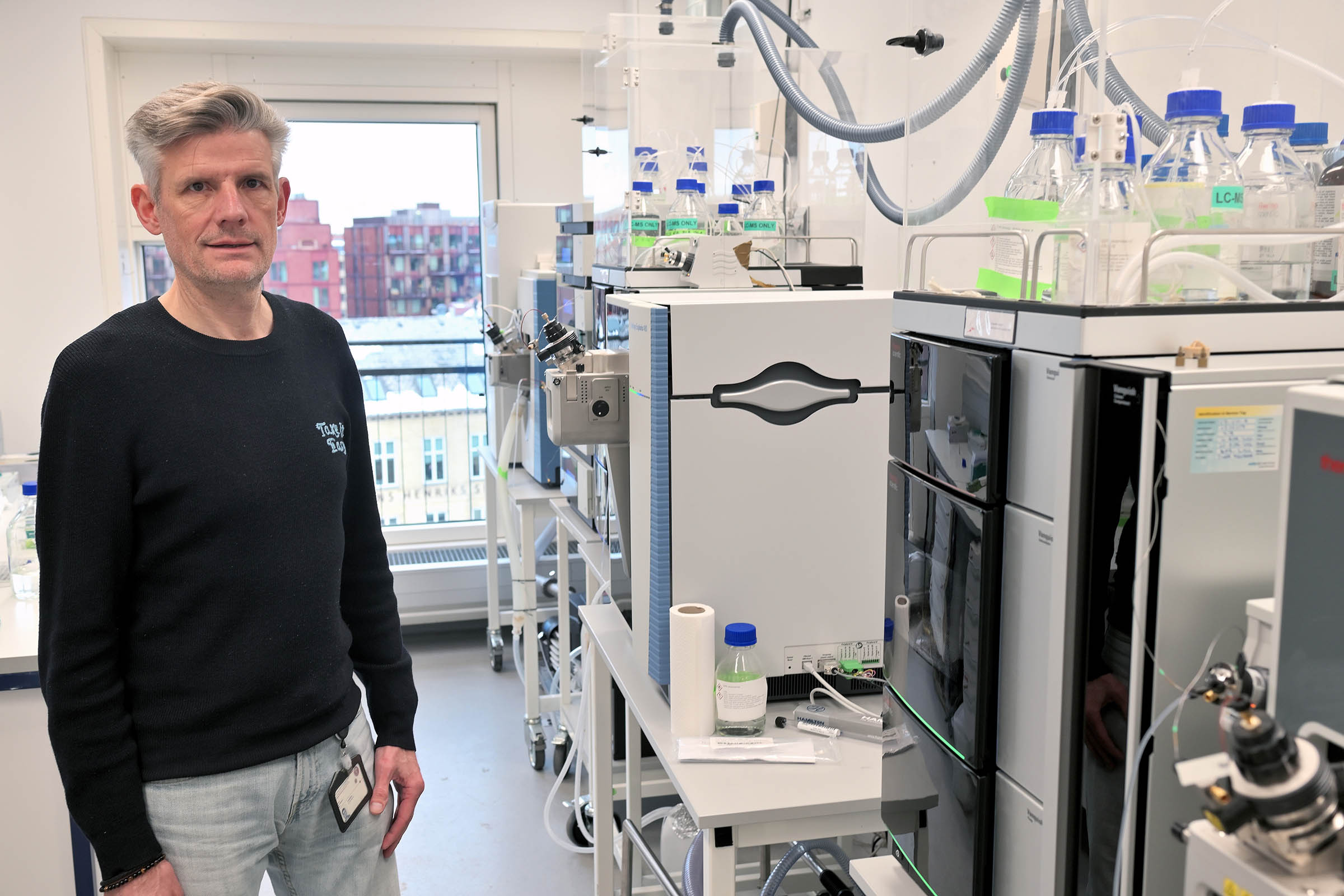
»We’ve started investigating different types of peas to see, for example, how they might replace meat,« says Associate Professor Rene Lametsch, who has worked at the Department of Food Science for 22 years.
Scanned 1,200 pea varieties using AI
The 51 pea varieties examined by the research group were sourced from the Nordic Gene Bank, which contains around 2,100 traditional pea varieties stored deep within the mountains of Svalbard, Norway.
Researchers used AI to scan 1,200 peas from the gene bank. They identified 51 varieties suitable for further investigation.
AI analysis uses a simple photo of the peas. The structure of the surface — how wrinkled it is — reveals the chemical composition and its suitability for human consumption.
Results were published in the journal Food Chemistry.
Danish food producers have so far focused on the soya bean in their plant-based products, as it is cheaper and easier to work with than peas. The problem with soya beans, however, is that they are not sustainable.
Europe imports vast quantities of soya beans by ship from as far away as South America where it grows on land that was once rainforest. The rainforest has been cut down to make way for soya cultivation, which means that the forest can no longer draw CO2 from the atmosphere. Almost all biodiversity in the area disappears along with it.
So the Danish food industry is looking for an alternative. Enter the humble pea.
Like soya beans, peas are rich in protein. Unlike soya beans, they can be grown natively in Denmark. What’s more, they draw nitrogen from the air into the soil, which means they need less artificial fertiliser. Artificial fertiliser needs energy to produce and emits CO2.
Replacing soya beans with peas is not without its practical challenges however. For the past two and a half years, Rene Lametsch has been leading the project Give Peas a Chance, where researchers are identifying the pea varieties best suited for use in food production.
There is not a big selection of pea varieties available for food production, according to Rene Lametsch, and the ones that are available are mostly intended for use as pig feed.
»One of our challenges is to identify and use exactly the right pea variety for each purpose in order to get the best possible taste and texture. If a food company wants to make ice cream, for example, it obviously needs to resemble real dairy ice cream, taste good, and have just the just the right texture on the palate. It’s just harder to achieve a good result with peas than with soya beans,« says Rene Lametsch.
Soya beans are still the food sector’s go-to ingredient — but Rene Lametsch wants to change all that.
»There’s clearly both a climate-conscious and ecological angle to this project. We need to avoid having to import soya beans from South America,« says Rene Lametsch.
It’s high time that researchers help push the green transition forward, he believes.
»We’ve used Give Peas a Chance to stay ahead of the curve, because there still aren’t that many products that make use of peas. Our goal is to make it possible for producers to develop new foods. They’ll have more options to work with — and it has to be economically viable for them to use peas,« says Rene Lametsch.
During his time at the Department of Food Science, the associate professor has seen how, in the early stages of the green transition, it was easy to get one group of Danes to change their diets and eat less meat.
»The idealists were, of course, easy to convince — for the sake of the climate. Now we’re at the point where we need everyone else on board. But that’s turned out to be much harder than we first thought. People start resisting when they have to learn how to cook new dishes and spend more time preparing food,« says Rene Lametsch.
Up until a few years ago, he reckoned that a green food revolution was just around the corner. But it never materialised.
He has seen many startups trying to launch green food products — but their efforts never caught on. Changing habits is harder than it seems, Rene Lametsch has realised. The hope is that Give Peas a Chance can help drive things forward.
»We’ve mapped out how nutritious the peas are — including how many nutrients they contain and how much starch and fibre they have. Now more companies will benefit from everything that we’ve discovered«.
This article was first written in Danish and published on 27 January. It has been translated into English and post-edited by Mike Young.