




Universitetsavisen
Nørregade 10
1165 København K
Tlf: 35 32 28 98 (mon-thurs)
E-mail: uni-avis@adm.ku.dk
—
Academic life
Student Research — Fluctuating hormone levels throughout the menstrual cycle affect the effectiveness of ADHD medication in women. Research in this area is limited, but a group of students from the University of Copenhagen aims to change that.
It is approaching 4 p.m. on an ordinary Monday, and Frederiksberg Campus is almost deserted. Groups of students gather by the bicycle racks, saying goodbye after a long day of classes.
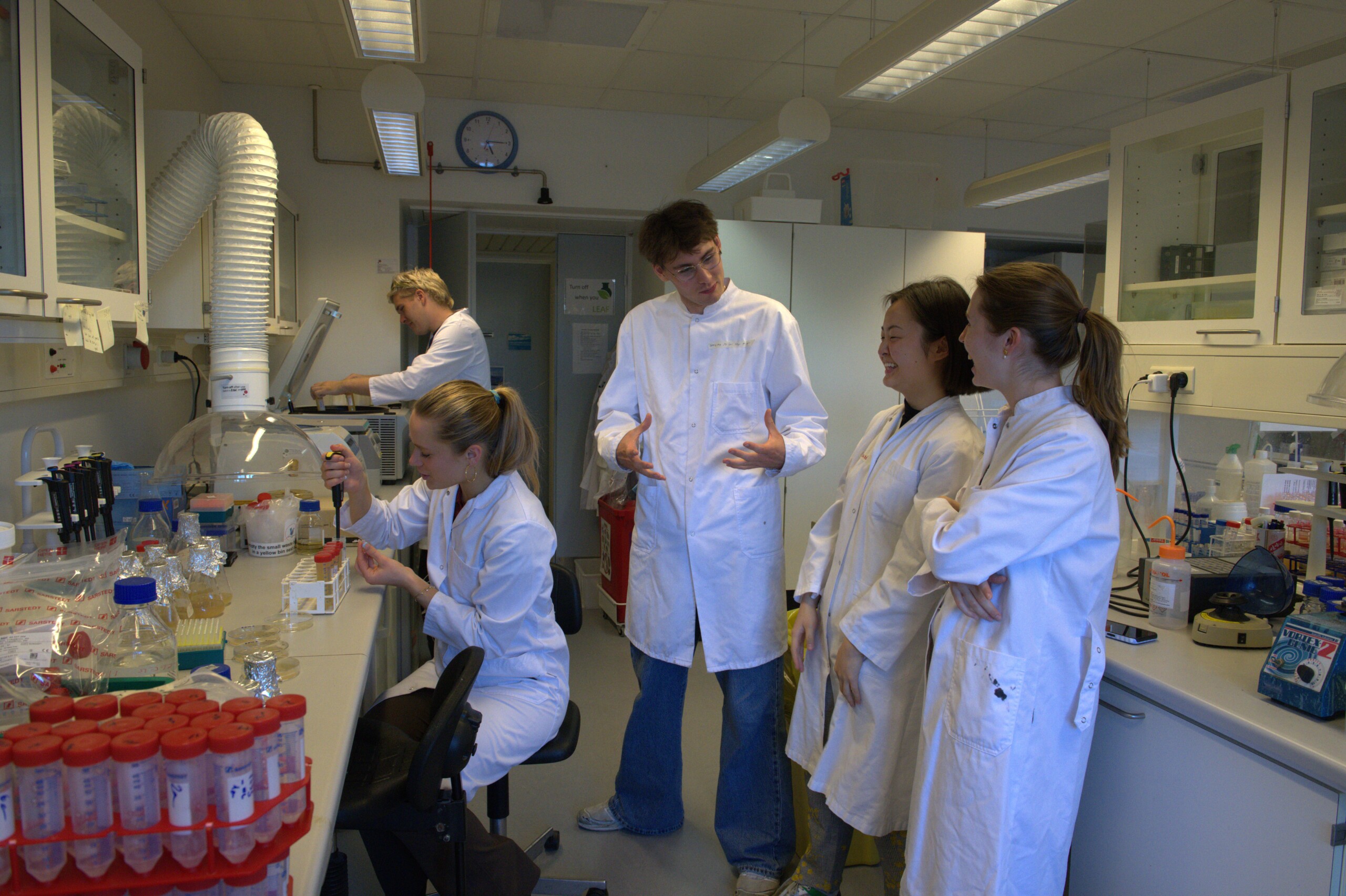
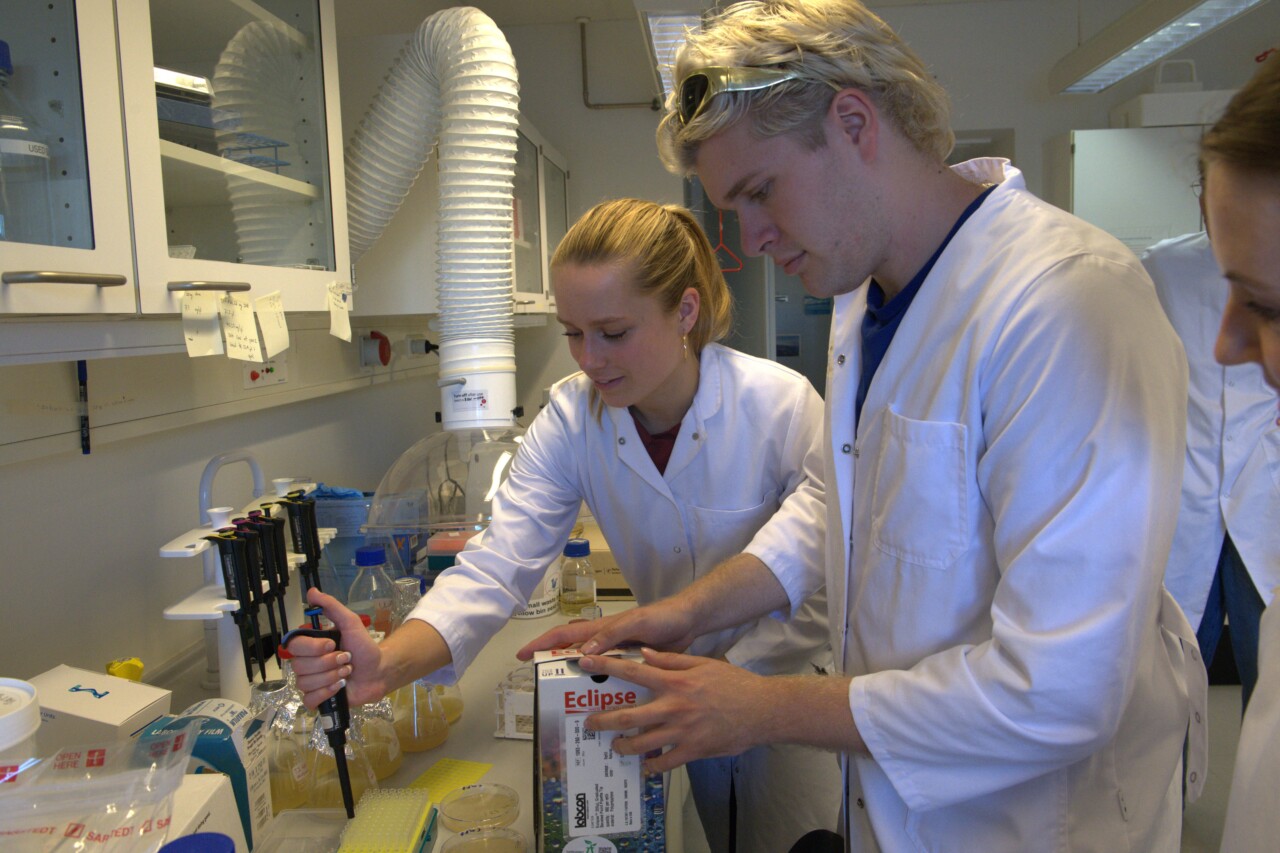
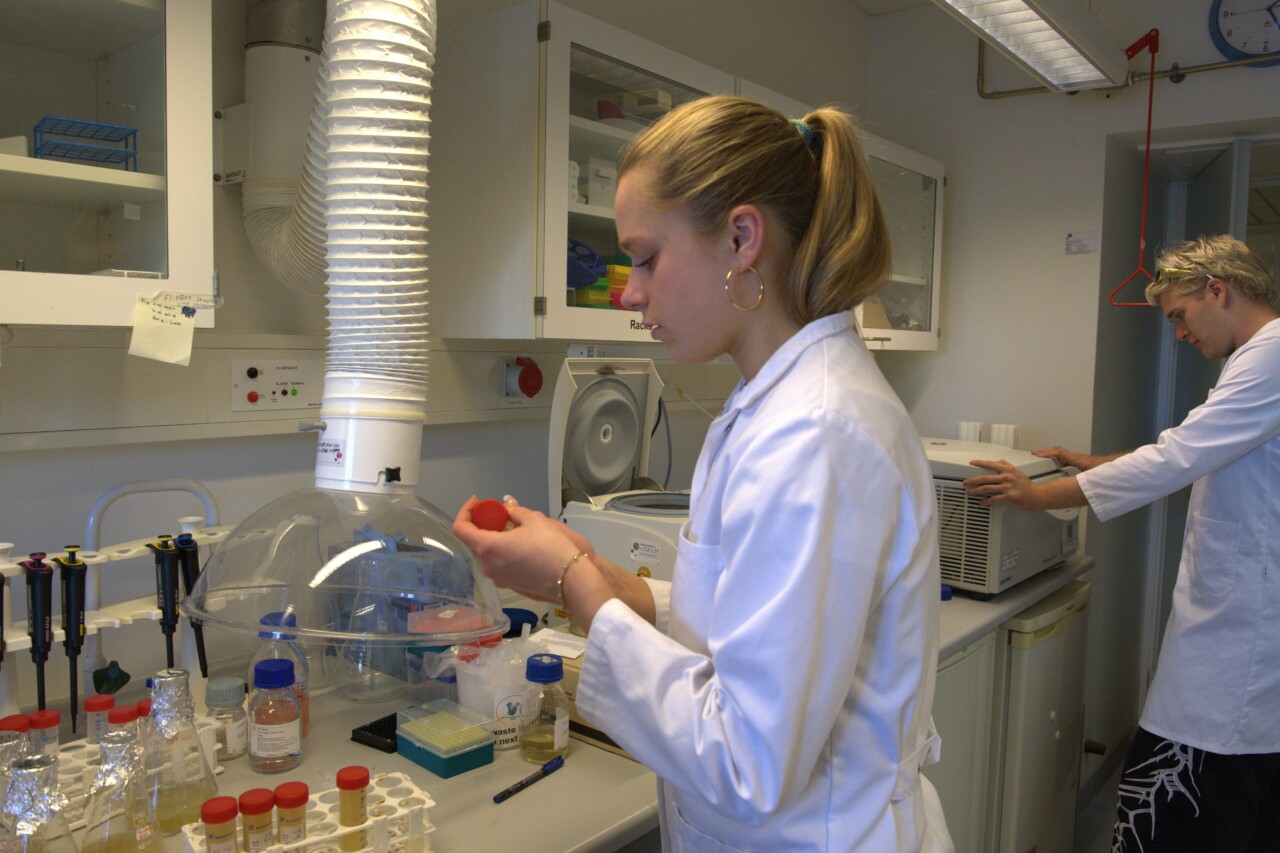
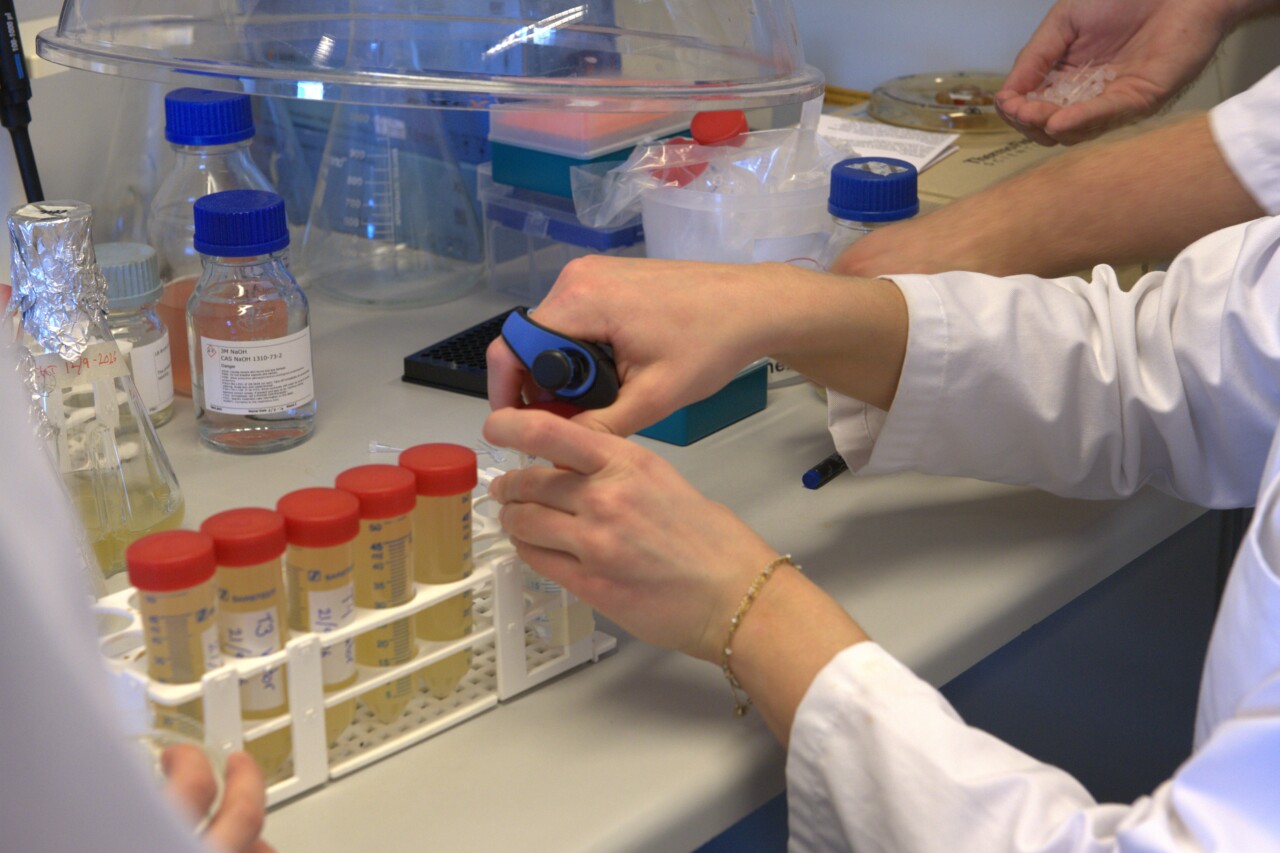
While most students have finished for the day, Olivia Tengnagel and Simon Bergqvist are only just getting started. Or rather, they have already attended their regular classes, and now they are heading back to the lab for another round of work.
They are part of a team of 21 students from Molecular Biomedicine, Medicine and Biotechnology, along with three students from the Technical University of Denmark (DTU). For nearly a year, they have been spending their afternoons and evenings developing a pill designed to enhance the effects of ADHD medication in women.
Ambitious? Yes, but that is not all. In November, the entire team will travel to Paris to compete against students from universities around the world in the prestigious iGEM science competition. And Viktor Garde-Tschertok, who initiated the project, hopes the team will return home with at least one medal.
The iGEM Competition
A major international competition bringing together universities from around the world. Around 400 teams compete for medals in various disciplines within synthetic biology. Teams compete at different levels, divided into three categories: High School, Undergraduate and Graduate.
In the iGEM competition, teams from educational institutions around the world compete to develop concepts in the field of synthetic biology. The teams must come up with a product, develop a promotional strategy and consider whether their project could potentially be turned into a business.
They must create a website for their project and investigate whether their product benefits its target audience. They can win medals in several different categories, including Awareness.
It is now common knowledge that much medication has been developed for and tested on men. What we are only beginning to understand is the impact this has on women who use these medications. Olivia Tengnagel, Simon Bergqvist and the rest of the team are helping to bring this story to light.
The team is called U Copenhagen, and their project is named Lutealine, a name that refers to the final phase of the menstrual cycle.
»‘Lutea’ refers to the luteal phase, and ‘line’ means ‘align’, so the name means aligning with your cycle,« says Olivia Tengnagel.
Many women and people who menstruate and have ADHD find that their ADHD medication works differently depending on where they are in their monthly cycle.
When women enter the luteal phase, which begins just after ovulation and lasts until menstruation, levels of the hormone oestrogen decline while levels of progesterone rise. Towards the end of the luteal phase, levels of both hormones fall. When oestrogen levels drop, the brain produces less dopamine.
For women with ADHD, who naturally have lower levels of dopamine, this phase can be particularly challenging. The hormones oestrogen and progesterone affect the brain’s dopamine system, which is also the system targeted by ADHD medication. Oestrogen enhances the medication’s effects, while progesterone appears to dampen them.
As a result, many women with ADHD find that their symptoms worsen and their medication becomes less effective in the days leading up to menstruation. Many women with ADHD also experience premenstrual dysphoric disorder (PMDD), a less widely known but more severe form of premenstrual syndrome (PMS).
Conversely, women produce more dopamine at the beginning of their cycle, explains Olivia Tengnagel:
»During the first phase of the menstrual cycle, women therefore need less medication, whereas towards the end of the cycle, they need more.«
ADHD medication increases levels of dopamine and noradrenaline between nerve cells in the brain, either by inhibiting reuptake or by stimulating their release, depending on the drug. This works well for most men with ADHD, but it can pose a challenge for women with the same diagnosis.
»The problem is that we treat women and men in the same way, meaning they take the same dose of medication every day. In reality, women’s dosages should be adjusted according to where they are in their menstrual cycle,« says Olivia Tengnagel.
Some psychiatrists recognise this issue and are willing to guide women in adjusting their medication doses according to the different phases of their cycle. However, many do not, and this is a problem, says Simon Bergqvist:
»This means that the level of support available to women experiencing ADHD and PMD symptoms varies. As things stand, the quality of treatment you receive depends to a large extent on your psychiatrist,« he says.
Lutealine is working to develop a concept for a self-dosing ADHD medication delivery system. The idea is to create a pill that contains both the medication and a system capable of detecting when progesterone levels rise during the luteal phase. Once progesterone levels reach a sufficiently high threshold, a sensor activates an enzyme that releases an additional dose of medication.
This would allow people who menstruate to automatically receive the right dose of ADHD medication, regardless of where they are in their cycle, without having to adjust their medication themselves.
But long before any of the team members began thinking about ADHD medication or menstrual cycles, a high school student in Bagsværd came up with a brilliant idea – and secured a substantial sum of money to make it happen.
As we sit on Frederiksberg Campus discussing menstrual cycles and hormones, a young man walks into the room.
He introduces himself in a hoarse voice as Viktor Garde-Tschertok. His lack of a voice, he explains apologetically, is the result of a recently completed freshman trip. Even so, he has shown up to make sure the team stays on track and gets through the day’s programme.
Several of the students we have spoken to have identified him as one of the driving forces behind the project.
Viktor Garde-Tschertok first heard about iGEM while he was in high school. A YouTuber he was a fan of had taken part in the competition and shared his experience.
The idea of the competition captured Viktor Garde-Tschertok’s imagination so completely that, at the age of 18, he sold his computer to fund a solo trip to Paris to watch it in person. He was disappointed that Denmark had no high school team competing, and when he returned home, he applied to the Novo Nordisk Foundation for a quarter of a million kroner to establish an iGEM team at high school level.
»I got the money, which I really hadn’t expected,« he says.
He succeeded in putting together Denmark’s first high school team to compete in iGEM. They returned home as the competition’s third most decorated team.
Even then, Viktor Garde-Tschertok had already decided that he wanted to repeat the success once he started university.
»I thought it would be a great way to make close friends and build a strong network,« he says. As soon as he started his degree, he began recruiting potential iGEM team members.
The University of Copenhagen has had an iGEM team since 2010, with only a few years off along the way.
While the students were brainstorming and refining their project idea, Nanna Heinz, coordinator at the Center for Synthetic Biology, was working to secure funding and find supervisors for the team. The Department of Plant and Environmental Sciences also helped the students apply for a grant from the Novo Nordisk Foundation, while providing supervisors and laboratory space.
The iGEM teams that U Copenhagen competes against are typically further along in their studies. Rather than distinguishing between bachelor’s and master’s students, the competition imposes an age limit of 23 for those competing at the undergraduate level. This puts many Danish students at a disadvantage, as it is more common in Denmark to begin university after taking a couple of gap years.
Even so, the team managed to bring together 20 students who may not have fully realised what they were signing up for. Two of those Viktor Garde-Tschertok persuaded to join were Olivia Tengnagel and Simon Bergqvist, who had barely set foot on campus before being recruited to iGEM.
»It was definitely a challenge that we were so underqualified to begin with. We’re much better equipped now, and I’ve learned an incredible amount about drug development and what’s actually possible,« says Simon Bergqvist.
For Olivia Tengnagel, it was particularly rewarding when their coursework aligned with the project.
»For example, we were learning about proteins just as we had decided to work with them. That meant we could go straight back to the lab and put what we’d learned into practice,« she says.
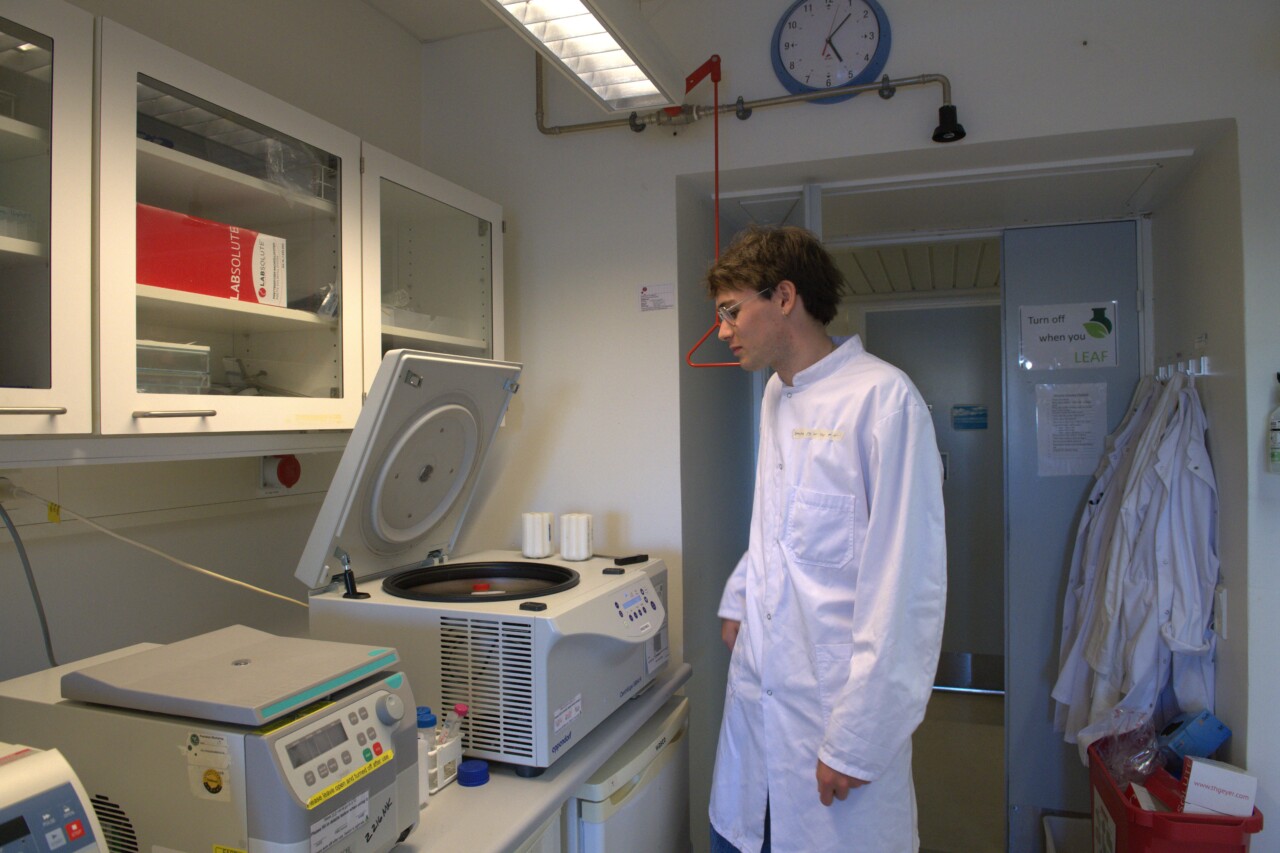
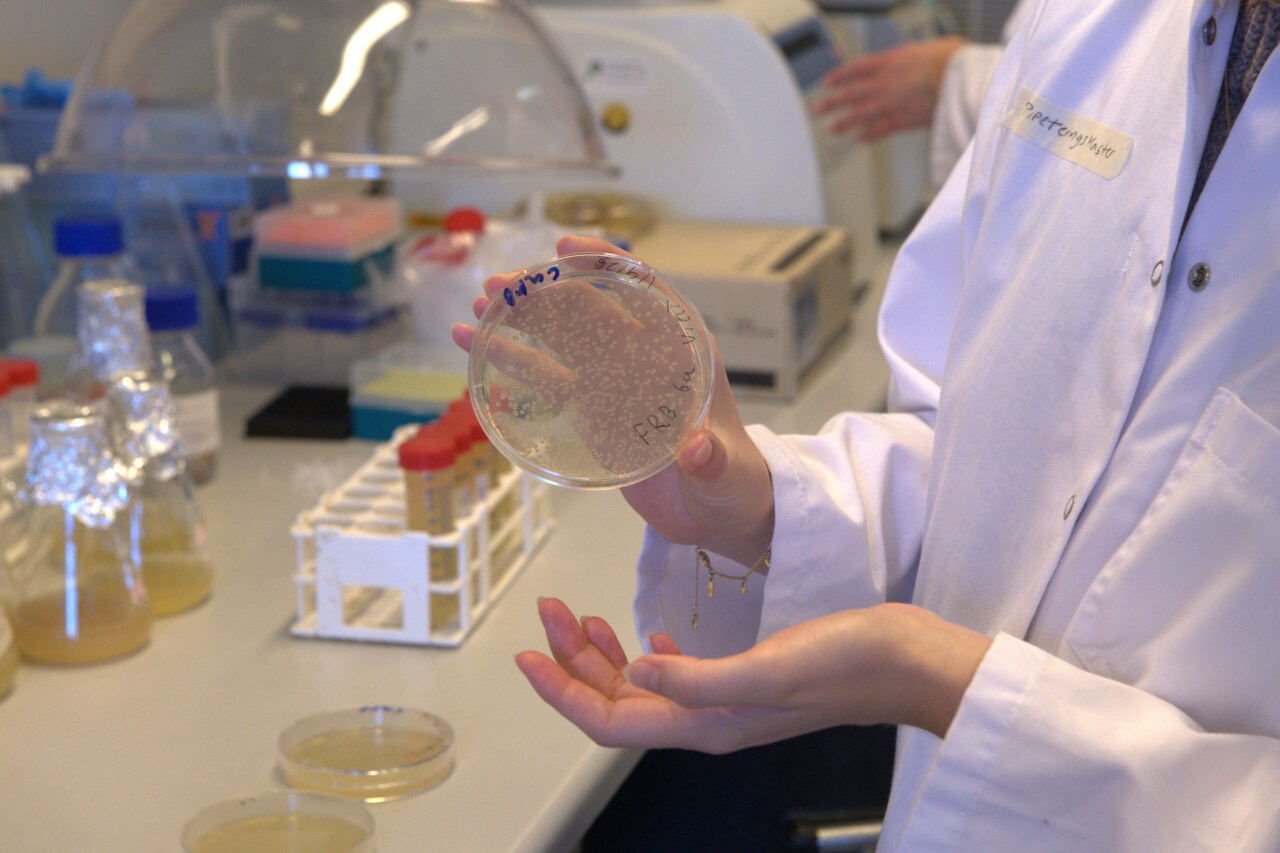
Both Olivia Tengnagel and Simon Bergqvist were surprised by just how much time the project demanded. The team meets every Wednesday, and several other afternoons and evenings throughout the week are devoted to the work. Simon Bergqvist explains that, over the summer, most of the Lutealine team spent more time in the lab than on the beach.
But the team’s energy remains high as they approach the final stretch.
»It’s a huge source of motivation for me that we’ll soon be finished and heading to Paris together,« says Simon Bergqvist.
But how do 21 people even manage to agree on a project of this scale? It has taken rigorous expectation-setting, repeated presentations to one another, and countless meetings with the team of supervisors.
»We’re divided into six groups. People have chosen their groups based on their interests and what the project needs. That has also changed throughout the process,« says Viktor Garde-Tschertok.
Despite the many long days filled with enthusiasm and energy, there is still no pill on the table in front of us. Nor will the team be bringing a finished tablet to present to the judging panel in Paris.
The students have just one year to develop their product, and research in this field is extremely limited. In fact, so little research exists that there are hardly any studies demonstrating a link between the menstrual cycle, ADHD symptoms and medication effectiveness.
»Although we’ve known since the 1980s that hormone levels in the body are linked to dopamine levels, there has been very little progress in this field,« says Viktor Garde-Tschertok, adding that Lutealine has faced challenges in developing its product because there is so little existing research to build on.
»It might sound a little depressing that we won’t have a finished product to show, but the competition is really much more about the process itself,« says Olivia Tengnagel.
An important part of the team’s project is therefore the website they have created to document their entire process and preliminary findings. The website is also one of the elements on which Lutealine will be judged in the competition.
»It’s frustrating that we haven’t been able to build our product on a stronger scientific foundation. But another part of our project has become about raising awareness of this gap in the research,« says Olivia Tengnagel.
As part of their project, the team has also developed an app designed to help doctors track individual patients’ hormonal fluctuations throughout their menstrual cycles and adjust their medication accordingly.
»It’s great that we’ve helped bring greater attention to women’s health and the lack of research into women’s health issues. And although we know we won’t solve the problem with our contribution alone, we’ve still helped give women a voice,« says Olivia Tengnagel.
Although preparing for the iGEM competition has sometimes felt like a long and gruelling slog, several members of the Lutealine team have been inspired to take things further and are already considering putting together another team when they begin their master’s degrees.
»At least then we’ll know what we’re getting ourselves into,« Olivia Tengnagel says with a laugh.
This article was translated with the assistance of artificial intelligence and subsequently reviewed by a member of the editorial staff.