





Universitetsavisen
Nørregade 10
1165 København K
Tlf: 35 32 28 98 (mon-thurs)
E-mail: uni-avis@adm.ku.dk
—
Politics
Knowledge aid — A new report recommends a pilot scheme to improve the Danish Parliament’s access to independent scientific advice. Newly elected Speaker Henrik Frandsen is willing to look into the proposal.
When the government introduces a bill, it has the ministries’ civil servants and expertise behind it. But the MPs who must both assess the proposal and scrutinise the government’s reasoning do not have the same access to specialist knowledge and analysis.
This sets the Danish Parliament apart from parliaments in many other European countries. They have established arrangements for scientific advice, while the Danish Parliament has no formal body with that responsibility.
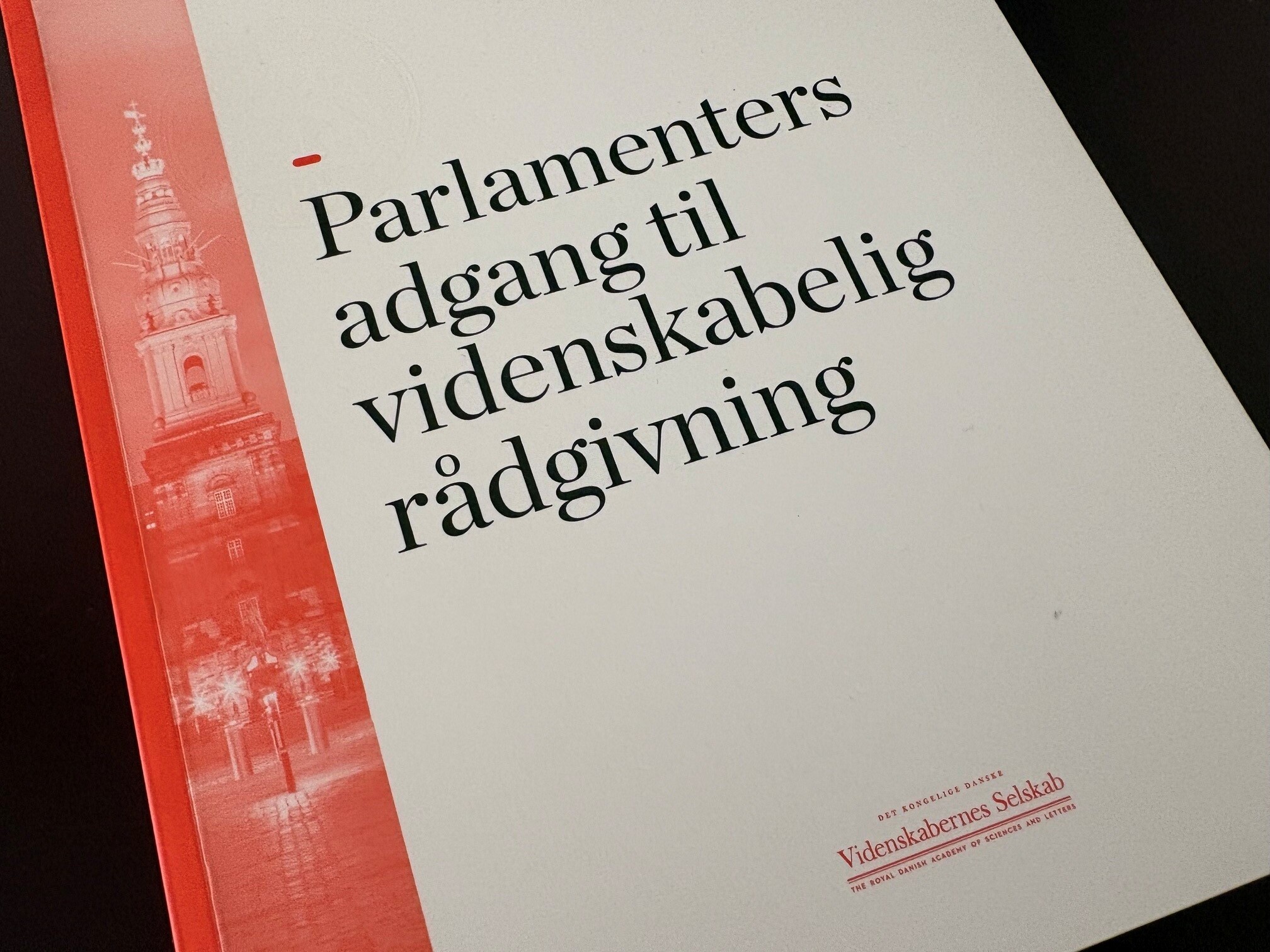
This is one of the findings of a new report from the Royal Danish Academy of Sciences and Letters, which recommends giving all MPs access to independent scientific advice.
We need, somehow, to think about new models for ensuring we have the knowledge and evidence we need
Henrik Frandsen (M), Speaker of the Danish Parliament
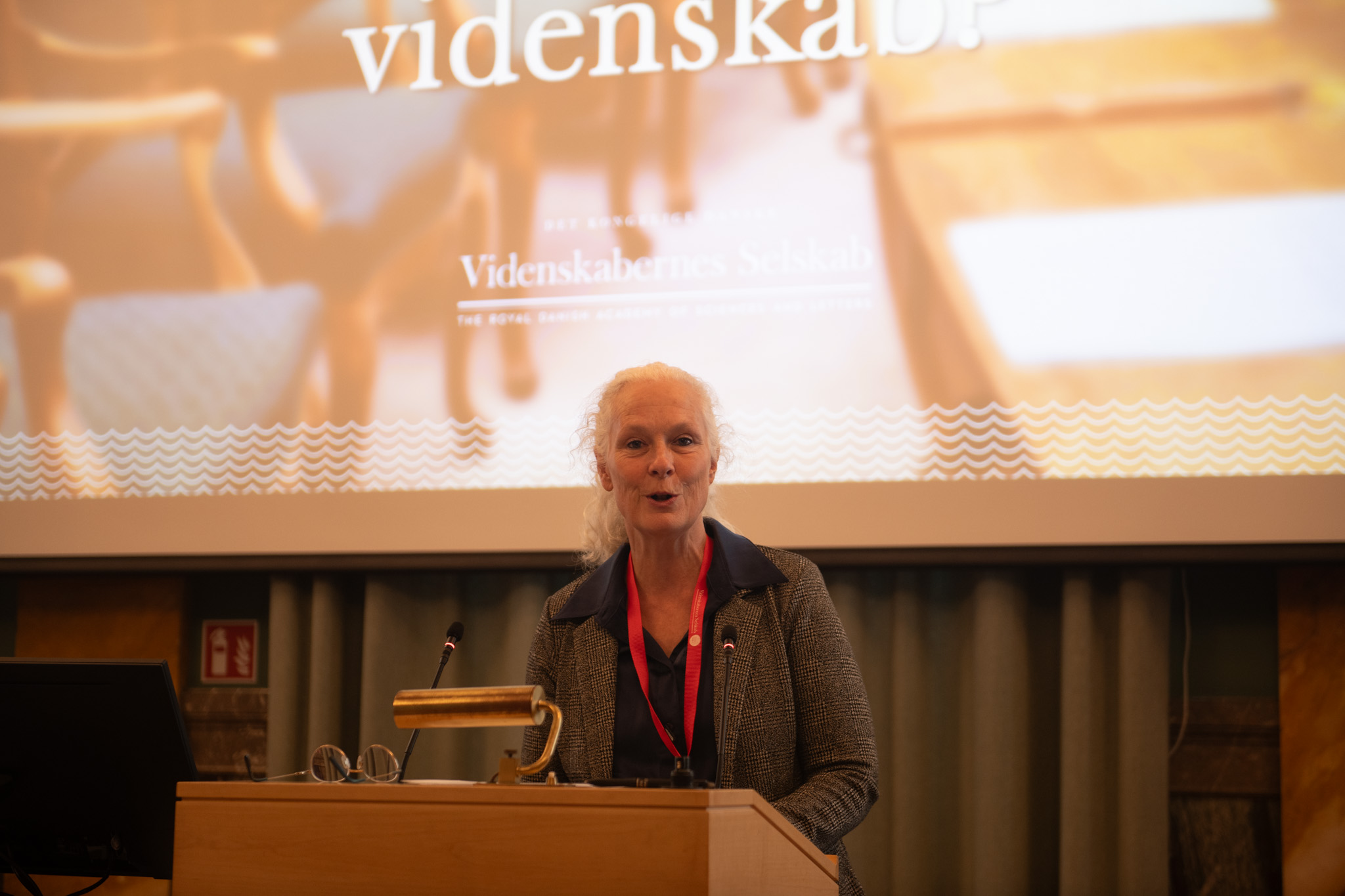
The report was presented at a seminar on 29 September. Among those attending was Henrik Frandsen of the Moderates, who was elected Speaker of the Danish Parliament on 6 October.
As Speaker, he oversees Parliament’s administration in consultation with the other members of the Presidium. This gives him a central role in any decision to establish a new advisory body.
In an interview with the University Post, he points out that MPs face increasingly demanding legislative work.
»We have a very fragmented Parliament with some very small parliamentary groups. At the same time, the pace of legislative work keeps increasing. There are more and more laws, and they are becoming more and more complex,« says Henrik Frandsen.
He believes this development is shifting the balance of power in the government’s favour. Ministers can still draw on the full resources of their civil service, while Parliament’s responsibilities are spread across a larger number of small parties.
Today, MPs can seek help from the Danish Parliament’s Library and invite researchers to committee hearings. But according to the report, Parliament has no research and analysis unit that can provide scientific advice.
For the report, a team of researchers examined four parliamentary advisory arrangements in Sweden, the Netherlands, Finland and Ireland. In the Netherlands, researchers can assess the evidence underpinning government bills. Ireland’s parliament has an in-house research service, while the Swedish arrangement relies primarily on networks. Finland’s Committee for the Future draws on experts to examine long-term societal issues.
In the Danish Parliament, such advice could, for example, provide an independent assessment of a ministry’s climate calculations or estimates of a bill’s economic impact, according to the report.
Henrik Frandsen believes MPs already have good opportunities to seek out knowledge. But becoming sufficiently informed takes effort, and legislative work competes with tasks such as communicating on social media, which has become central to many politicians’ work.
Taking part in public debate is an important part of the job, he stresses. He therefore believes Parliament needs to adapt the way it works:
»We need, somehow, to think about new models for ensuring we have the knowledge and evidence we need,« he says.
The Royal Danish Academy of Sciences and Letters recommends that Parliament and organisations from the research community begin with a small pilot scheme. This could give politicians access to short factsheets, meetings with experts and help finding relevant researchers. The aim is to answer politicians’ questions before they have to make decisions.
Henrik Frandsen had not yet read the report when the University Post spoke to him at the seminar, but he found several useful ideas in the experiences of other countries.
»I would very much like to help initiate a discussion in the Presidium and the Standing Orders Committee,« he says. He adds that he wants to continue the work begun by his predecessor, Søren Gade, on slowing the pace of politics and reducing MPs’ workloads.
The new Speaker therefore expects to present various initiatives on Parliament’s working practices during the current parliamentary term. But he has yet to identify a particular advisory arrangement, and he will not promise that the issue will be resolved during his time as Speaker.
This article was translated with the assistance of artificial intelligence and subsequently reviewed by a member of the editorial staff.