


Universitetsavisen
Nørregade 10
1165 København K
Tlf: 35 32 28 98 (mon-thurs)
E-mail: uni-avis@adm.ku.dk
—
Opinion
Transparens — As members of the Working Group on Academic Freedom, we urge the university’s leadership to engage in a genuine dialogue with academic staff about the principles, framework and objectives of the proposed reorganisation of the university.
Like much of the university community, we have only a vague understanding of the process currently under way to reorganise the faculties at UCPH.
Opinion
This is an opinion piece. It reflects the author’s own views.
We encourage everyone to read opinion pieces in full before commenting on them on Facebook, so that the debate remains constructive.
Disagreement is welcome, but please keep the tone respectful.
University Post reserves the right to delete comments that violate our debate guidelines.
From our representatives on academic councils and collaboration committees, we understand that a proposal which appears to be largely settled has already been presented in these forums. So far, this process seems to offer very limited opportunities for academic staff to exercise meaningful influence or participate in decision-making.
READ ALSO: New faculty structure: »The University of Copenhagen has outgrown its current organisation«
The proposed reorganisation is more than a change of names, it is likely to affect teaching, research, departmental structures, and the organisation of academic staff. It will therefore have a direct impact on working conditions, opportunities for future collaborations, local strategies and their implementation, and many aspects of everyday academic work, not to mention academic identity. In this way, the reorganisation will directly affect the conditions under which researchers and scholars at UCPH individually and collectively exercise their academic freedom.
To our knowledge, the leadership has not provided a detailed justification for the reorganisation beyond broadly described administrative advantages.
The working Group on Academic Freedom
The working group is tasked by the university leadership to formulate a declaration of the principles of academic freedom and an operational framework for their application at UCPH.
The work is headed by the Dean of Faculty of Humanities and is divided among three sub-groups, which initiated their work in 2025 with expected conclusion in 2028.
Read more here.
A process that is likely to disrupt academic environments requires more time, greater transparency, and substantially more involvement of the academic staff.
We therefore urge the leadership to engage in a genuine dialogue with academic staff about the principles, conditions, and objectives of the proposed university-wide reorganisation. We also call on the leadership to clarify and substantiate the reasons and arguments that, in addition to the purely administrative ones, underlie the restructuring.
Finally, we encourage departmental boards, collaboration committees, academic councils, and other representative bodies to make their responses to the proposed reorganisation public. This would help promote a more transparent and participatory process and, ultimately, help safeguard academic freedom at UCPH.
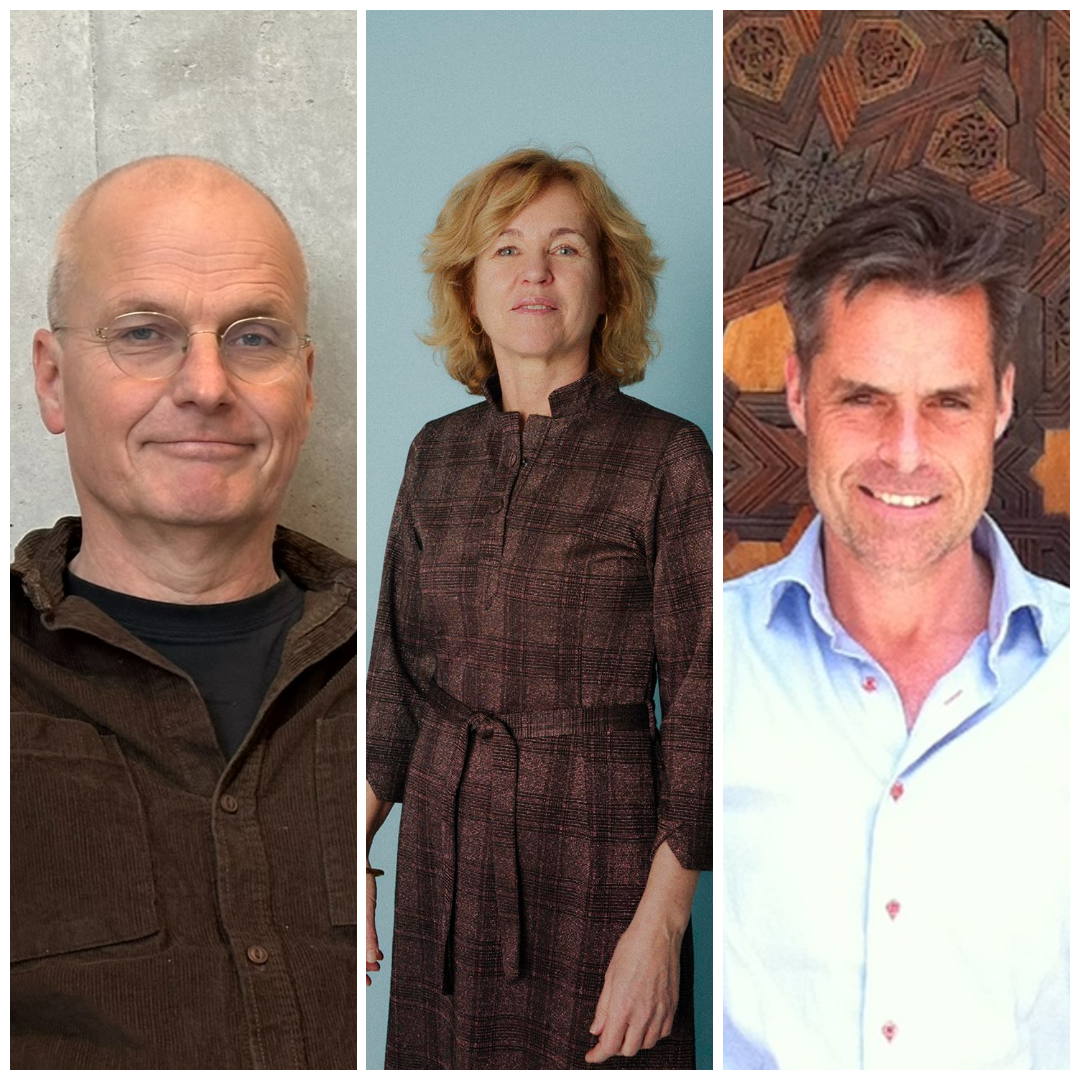
Anja C. Andersen, Prof. and former Member of the Board at UCPH, Jakob Skovgaard-Petersen, Prof. and Martin Willemoës, Assoc. Prof. and former Chair of the Academic Council at SCIENCE, UCPH. All are members of the working group on Academic Freedom, Track A.