





Universitetsavisen
Nørregade 10
1165 København K
Tlf: 35 32 28 98 (mon-thurs)
E-mail: uni-avis@adm.ku.dk
—
Student life
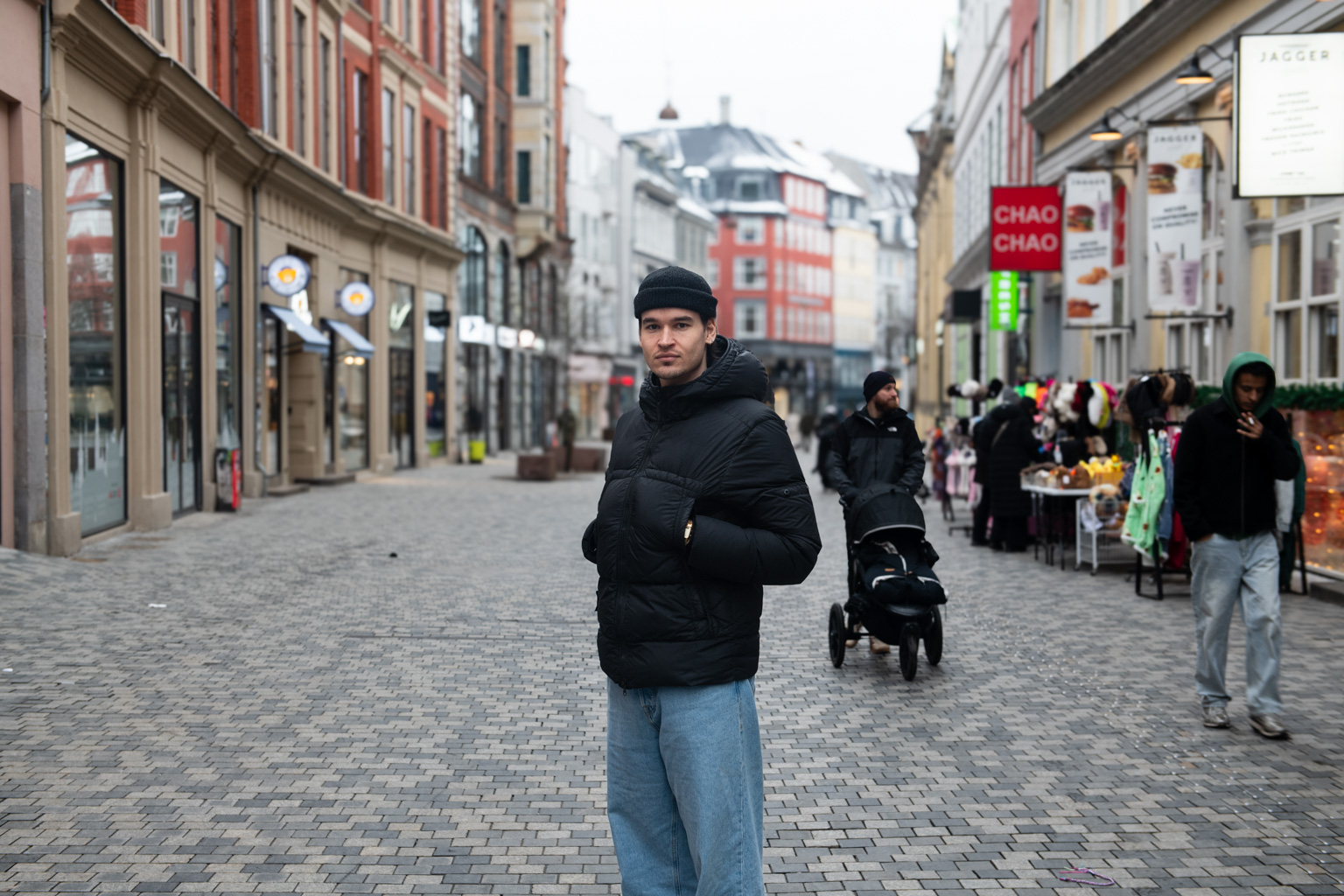
Savings experiment — I survived the whole month of February in Copenhagen on a budget of DKK 1,500. My experiment is over. Here are my tips if you, by necessity or by choice, have to live on the cheap.
A couple of days have now passed since I finished my experiment where I had to live on less than DKK 1,500 for a month in Copenhagen.
READ ALSO: Can you live on DKK 50 a day in Copenhagen? A student experiment
Would my strategies for living on a budget be sustainable in the long run? I’m sceptical. But I’ve learnt quite a lot about living cheaply that I plan to take with me going forward — albeit in a less extreme version.
If you want to live cheaply — and get adequate nutrition — you can’t avoid the legume family of plants: You will go a long way with dried beans, lentils, and chickpeas from the supermarket. But if you want to take saving to the next level, you need to hunt down the three-kilo bags from your local greengrocer.
They are heavy to lug them home with you, but the legumes are rich in protein so, in time, things should get easier for you.
And no, that doesn’t mean you should buy a car. You just have to accept that there are only two ways to get around the city: Your legs and your bike.
If you take the metro to and from uni during rush hour, it costs DKK 47.5 total. And then it really doesn’t matter how cheap your lentils are.
READ ALSO: Living on DKK 50 a day: My unexpected obsession with savings
So enjoy your bike ride in summer and wrap up well in winter.
One way to approach your budget is to divide your disposable income into 30 equal chunks. That’s how I started my experiment. But I quickly discovered that what I gained in clarity, I lost in flexibility.
Go for variation in your spending instead. Because then, I would argue, you get more enjoyment for your money.
READ ALSO: Living on DKK 50 a day: My spreadsheet is disappointed. I’m not
The less often you drink a cold coke, the more you enjoy it when you actually get one. And the cheaper you live during the week, the less it takes for you to feel that you’re treating yourself at the weekend. So: Live below your means during the week and splash out at the weekend.
What probably made it easier for me to save is that, at the start of the experiment, I identified the patterns in my spending and found alternatives to many of my habits. Netflix and Spotify were replaced by DR and Apple Podcasts, and I swapped my beloved Monster Energy drink for the supermarket Netto’s grimmer alternative.
Even if one individual purchase seems insignificant, it quickly adds up, so this is a good place to start. But habits can be difficult to shake, and the long term solution is to find cheaper alternatives. I stopped buying caffè latte at uni altogether, for example, and chose cheap filter coffee from the student cafés instead, so I saved DKK 28 every time I bought coffee.
But remember that the alternative also has to be good. If the filter coffee is disappointing and you miss your latte, it may not be the right habit to cut back on. So: Experiment and find the things that work for you — otherwise it won’t last in the long run.
READ ALSO: Save more, live more: Student budget hacks for Copenhagen
It’s no secret that life on a budget can be tough. But it can help to remember all the good things about living cheaply — not just for yourself, but for others too.
READ ALSO: Copenhagen’s best student discounts
Your climate footprint is probably smaller because you only, to a limited extent, take part in the global consumer binge. You learn how to budget your spending, you build healthy financial habits, and you find out what actually gives your life value. And hey! Maybe you get the chance to save up or finish your degree without working up a student debt that brings you to your knees before you have landed your first full-time adult job.
This article was first written in Danish and published on 5 March 2026. It has been translated into English and post-edited by Mike Young.