
Universitetsavisen
Nørregade 10
1165 København K
Tlf: 35 32 28 98 (mon-thurs)
E-mail: uni-avis@adm.ku.dk
Elisenda Feliu teaches mathematics to biology students. Their initial resistance has been converted into results
Chaos in the org chart, pressure on support staff, and a management that seems keen to keep a lid on things. Report from staff working in the University of Copenhagen's IT unit.
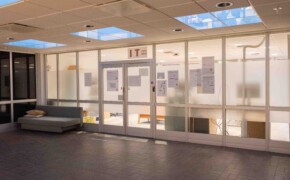
Personal stories of managerial pressure, a culture of silence, and psychological violence in academic workplaces are at the core of a new campaign by the Movement for a Free Academia. Minister for Higher Education and Science Christina Egelund says the stories are serious and promises greater focus on academic freedom.

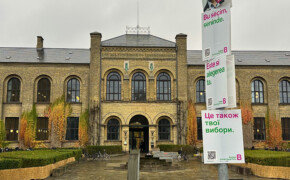
Danes and many internationals students and staff can vote in local elections 18 November. The University Post has compiled an overview of the UCPH candidates that are on the ballots.
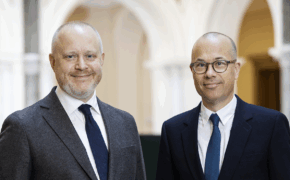
See what the top university management gets in 2025.
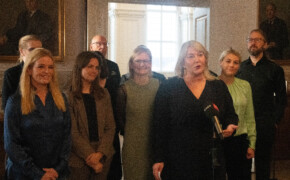
Cross-party agreement channels DKK 18 billion into research over a four year time period. Danish universities get more non-earmarked funding, and politicians vow that they will safeguard academic freedom.
Master’s student Réka Joo wants to do an internship so she can get a foothold on the Danish labour market. But as an international student, she simply can’t make ends meet.

How strictly should we observe the Sabbath? And how do you best talk to God? Every Thursday, a new Christian lunch club meets up on central campus to read the Bible and pray. The University Post dropped by for lunch.