

Universitetsavisen
Nørregade 10
1165 København K
Tlf: 21 17 95 65 (man-fre kl. 9-15)
E-mail: uni-avis@adm.ku.dk

Foredrag
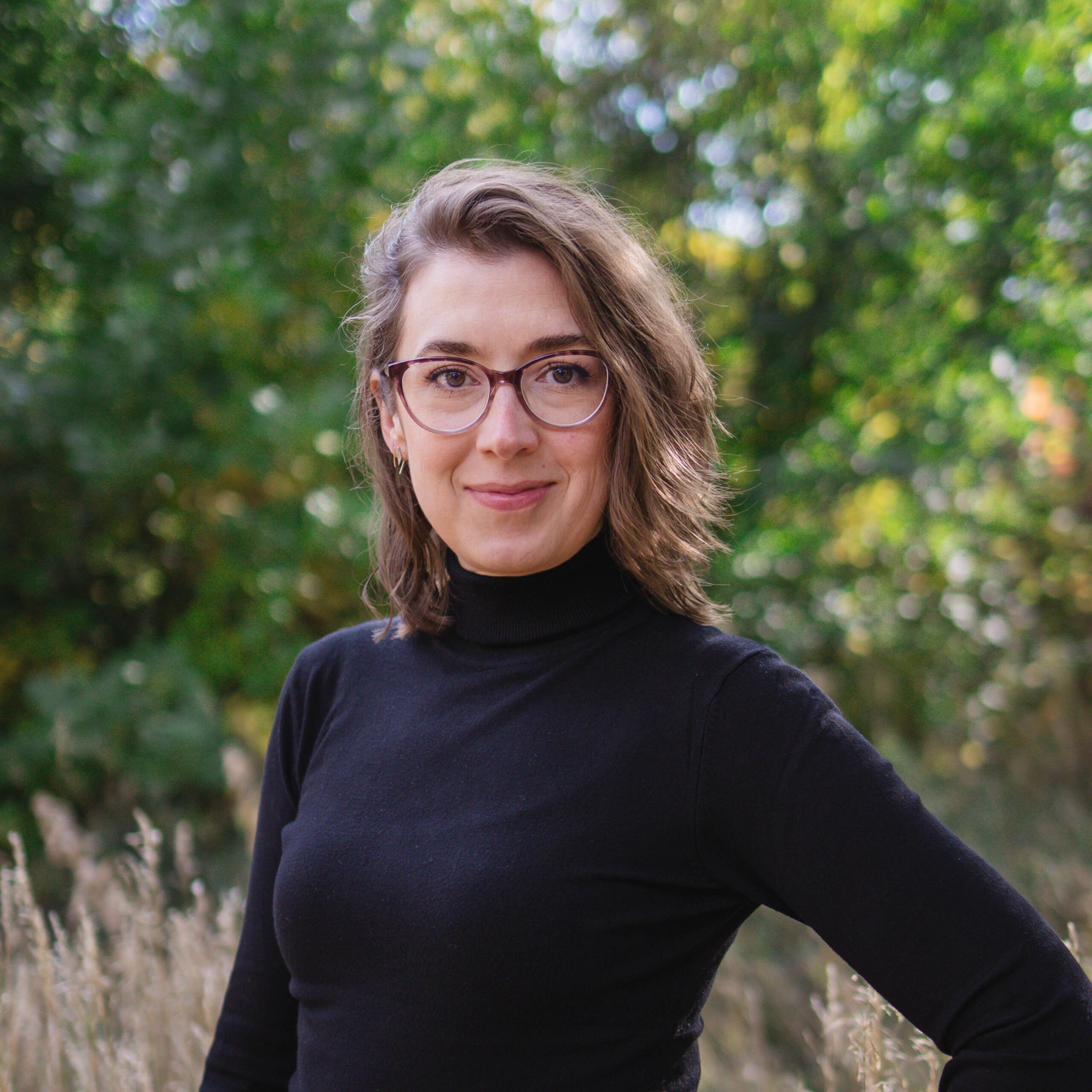
Foredrag — What does art-science collaboration make possible? Join us for the third Yonder Talks colloquium, featuring astrophysicist and artist Dr. Natalie Gosnell of Colorado College. Drawing on her research into blue straggler stars, stars reshaped by their binary companions, Gosnell explores the choices we face when telling science stories, and how a long-term art-science collaboration transformed her work as a teacher and researcher. Followed by a reception. All welcome!
Date & Time:
Place:
Margrethe Bohr Salen, located in the Niels Bohr Building at Jagtvej 132, 2200 København. You'll find it on the ground floor, next to the canteen.
Hosted by:
Yonder Art•Science at the Niels Bohr Institute (https://yonderartscience.com/)
Cost:
Free
We are excited to continue the Yonder Talks series, a colloquia series hosted by Yonder Art•Science at the Niels Bohr Institute, about synergies between art and science. The talks will share inspiring stories about the possibilities that appear when artistic and scientific methodologies intersect. Whatever your discipline, we hope these talks will inspire you and be the seed of something new. Each colloquium will be followed by a reception. Everyone is welcome!
Title: What Does Art-Science Collaboration Make Possible?
Abstract: By the nature of our work, astrophysicists are storytellers. I am particularly interested in the stories of stars in binary systems that have been changed by their companion. A key example of these are blue straggler stars, often identified by their location above the main sequence in open cluster color-magnitude diagrams, therefore seeming to be “straggling” behind their expected evolution. From HST photometry and spectroscopy, we now know these systems have white dwarf companions, revealing their past mass transfer histories. But what choices do we have when tasked with telling this story? Exploring this question as I embarked on a long-term art-science collaboration opened possibilities that have changed all aspects of my work as a teacher-scholar. In this talk I will connect my astrophysics research to the important broader questions we face when telling science stories and share how I answer these questions through my efforts in the world of art-science.
Speaker Bio: Dr. Natalie Gosnell is an observational astrophysicist, artist, and Associate Professor of Physics at Colorado College. Dr. Gosnell’s research uses observational data from telescopes on the ground and in space to explore the stories of binary star systems and how stars are changed by their companions. In her role as a teacher-scholar, Dr. Gosnell seeks to bring creative practices into both the physics classroom and her research pursuits. Her artistic residencies include the Sundance Institute Theater Labs, The Public Theater, and Leonardo@Djerassi, among others. Dr. Gosnell is a 2021 Cottrell Scholar, was awarded the Colorado College Excellence in Teaching Award in 2023, and is the co-author of Art-Science Undisciplined: A Playbook for Transformative Collaboration, published by UC Press in 2026.