


Universitetsavisen
Nørregade 10
1165 København K
Tlf: 35 32 28 98 (mon-thurs)
E-mail: uni-avis@adm.ku.dk
—
Science
Faded — We take more photos than ever. But we are losing our connection to them. Professor Mette Sandbye has looked at family photo albums from the 1960s right through to our current age of algorithms.
authors at work
Books are written throughout the University of Copenhagen — both in connection with research projects, during lunch breaks, and late into the evening. Staff, researchers and students publish fiction and non-fiction books, some of them academic, some of them not.
In this series, the University Post asks the authors not only what it is they are writing, but why.
What set off the writing process, and what do the authors want to achieve with their books?
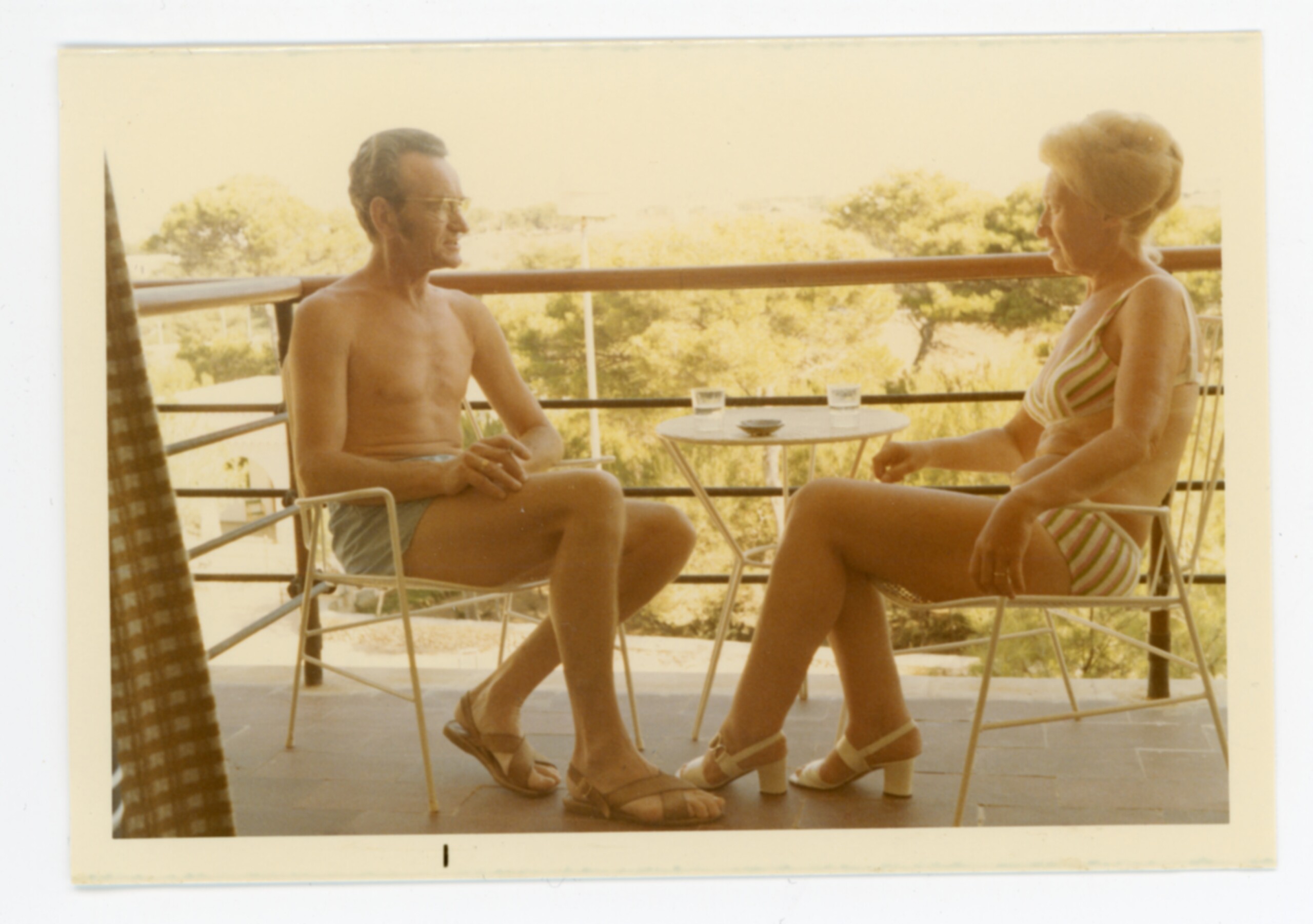
A woman and a man sit across from each other on a balcony. They are sun-tanned. The woman is wearing a bikini, the man swimming shorts. On the table in front of them is an ashtray, and a cigarette rests carelessly in the man’s hand. They appear deeply absorbed in conversation with each other in the faded photograph.
As you flip through the photo album, there are more images like this. The woman, posing with a smile for the camera. The man and woman at the beach. On one photo, a tourist attraction.
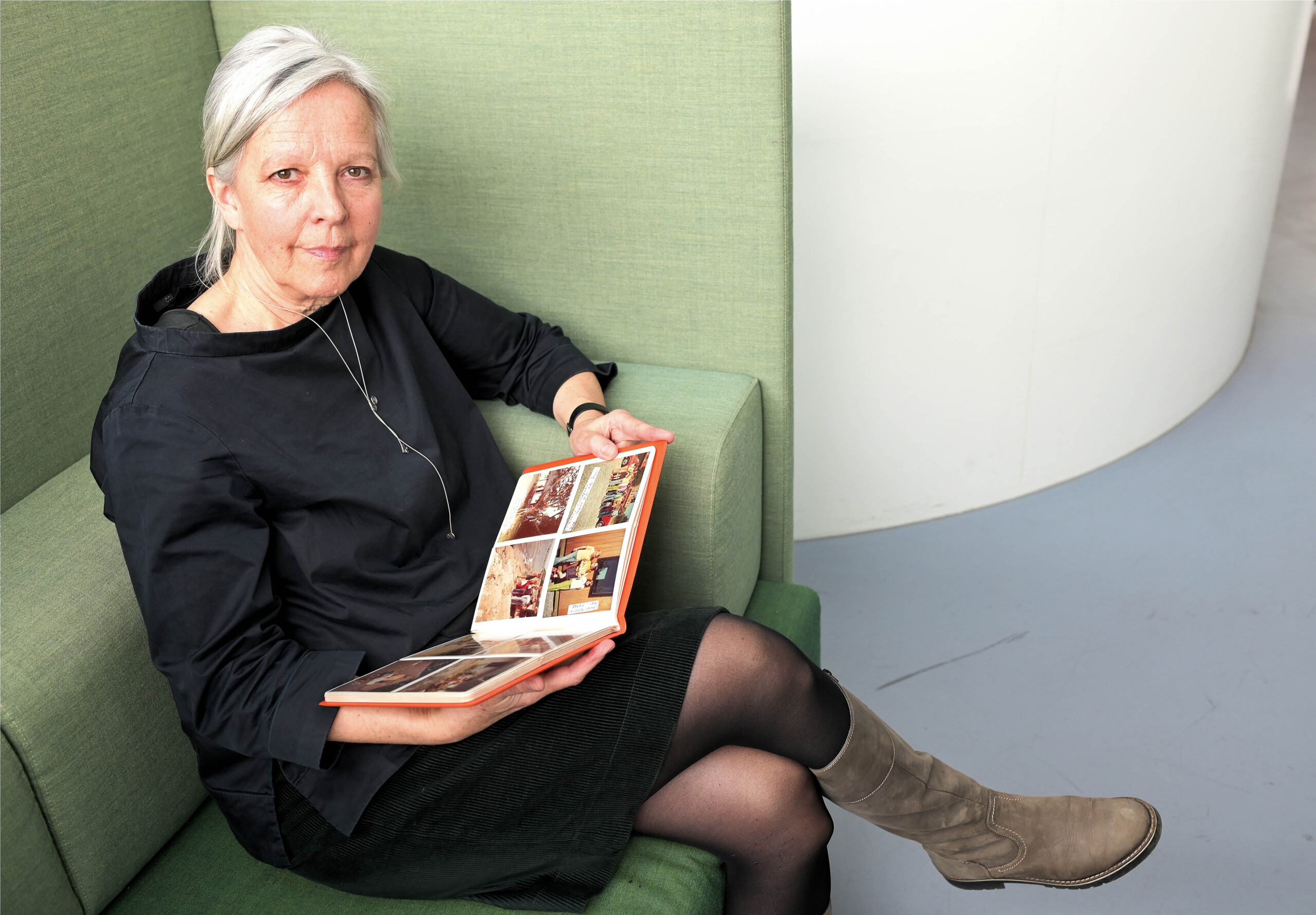
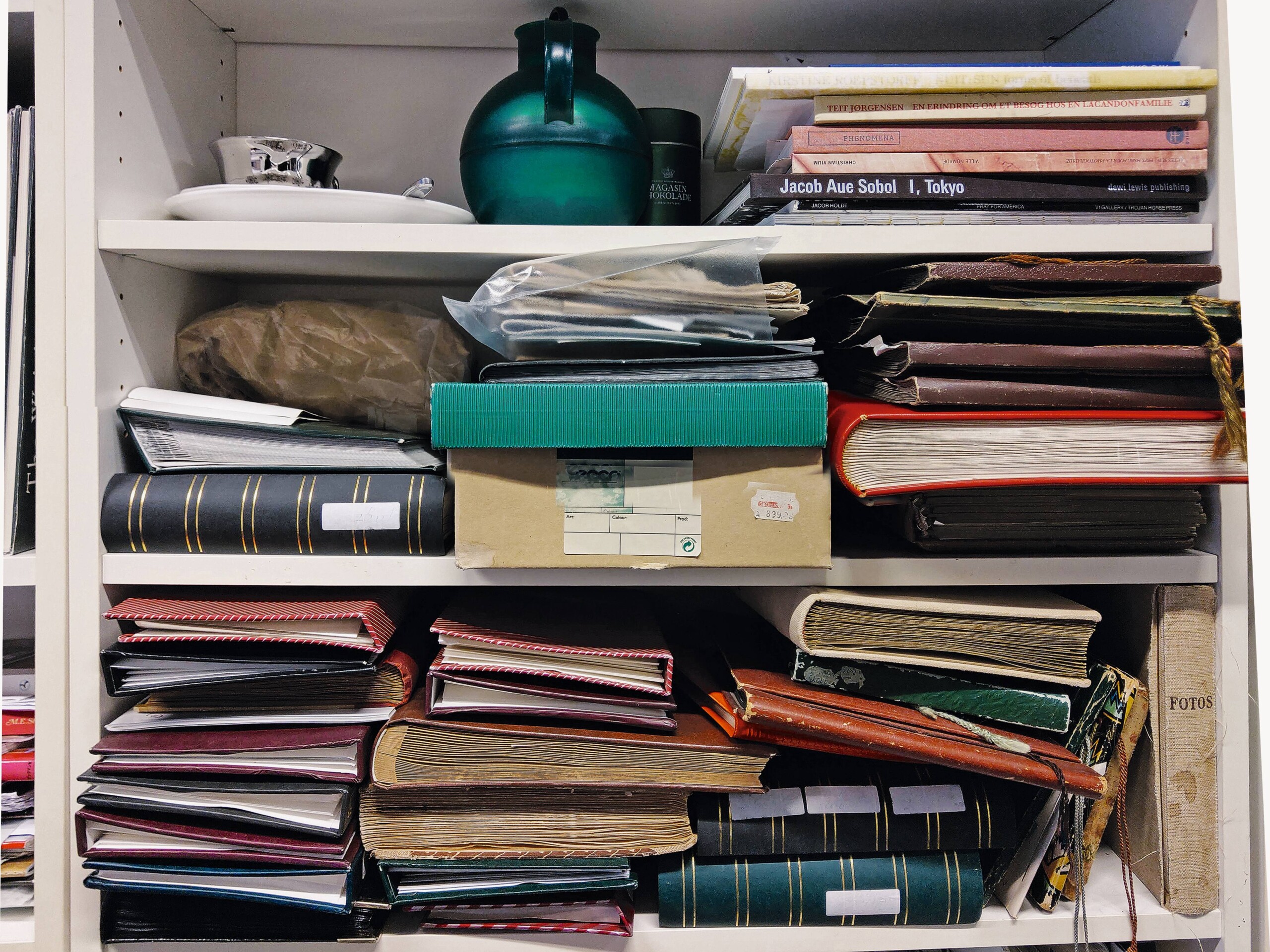
On a desk in an office at South Campus there is a pile of photo albums in all different shapes and sizes, some of them showing clear signs of wear. They belong to a professor in photography studies, Mette Sandbye. Some of the albums are from her own family, some of them she has found at flea markets and in archives.
In combination, the albums and photos recount a story about the rise of the Danish welfare state, with cameras accessible to everyone and the taking of photos something that everyone did. A story about how people understand grief, joy, and the passage of time through images. Images are both a way of communicating history, and a way of processing the world, says Mette Sandbye, who published in November 2025 a book Fra Instamatic til Instagram – Familiealbummets Fortællinger [‘From Instamatic to Instagram — The Stories of the Family Album’].
Back when Mette Sandbye was only nine years old, she was on a school trip with her class, she explains. She had been given her mother’s camera with her so that the trip could be documented. But Mette Sandbye accidentally opened the camera and exposed the film roll. The light-sensitive film was overexposed, and all the precious photographs were ruined.
»I was on the verge of tears,« she says.
In 1963, had Kodak launched a new, user-friendly camera, the ‘Instamatic’. They marketed it as the Aunt Molly camera — accessible and easy to use even for Aunt Molly — and a young Mette Sandbye.
No more worrying about the pictures being ruined when inserting or removing the film. Now everyone could do it. You bought a plastic cassette with the film inside, and when the pictures had been taken, you handed in the cassette to the photo shop, where they took care of doing all the developing.
Kodak had huge illuminated advertisements set up like at Grand Central Station in New York, depicting staged family photos. Dad and the children play on the sofa, mum takes a picture. The children sit nicely in front of the Christmas tree with the dog, mum stands with the camera. Mette Sandbye calls this the Kodak convention.
»Kodak used the ads to show how they and their cameras supported the good family life narrative. And as Kodak was a global company, the convention of what you take photos of and what you put into a family album spread along with it.«
The year after the school trip mishap, Mette Sandbye got her own Pocket Instamatic camera for her tenth birthday. The mistake would not be repeated.
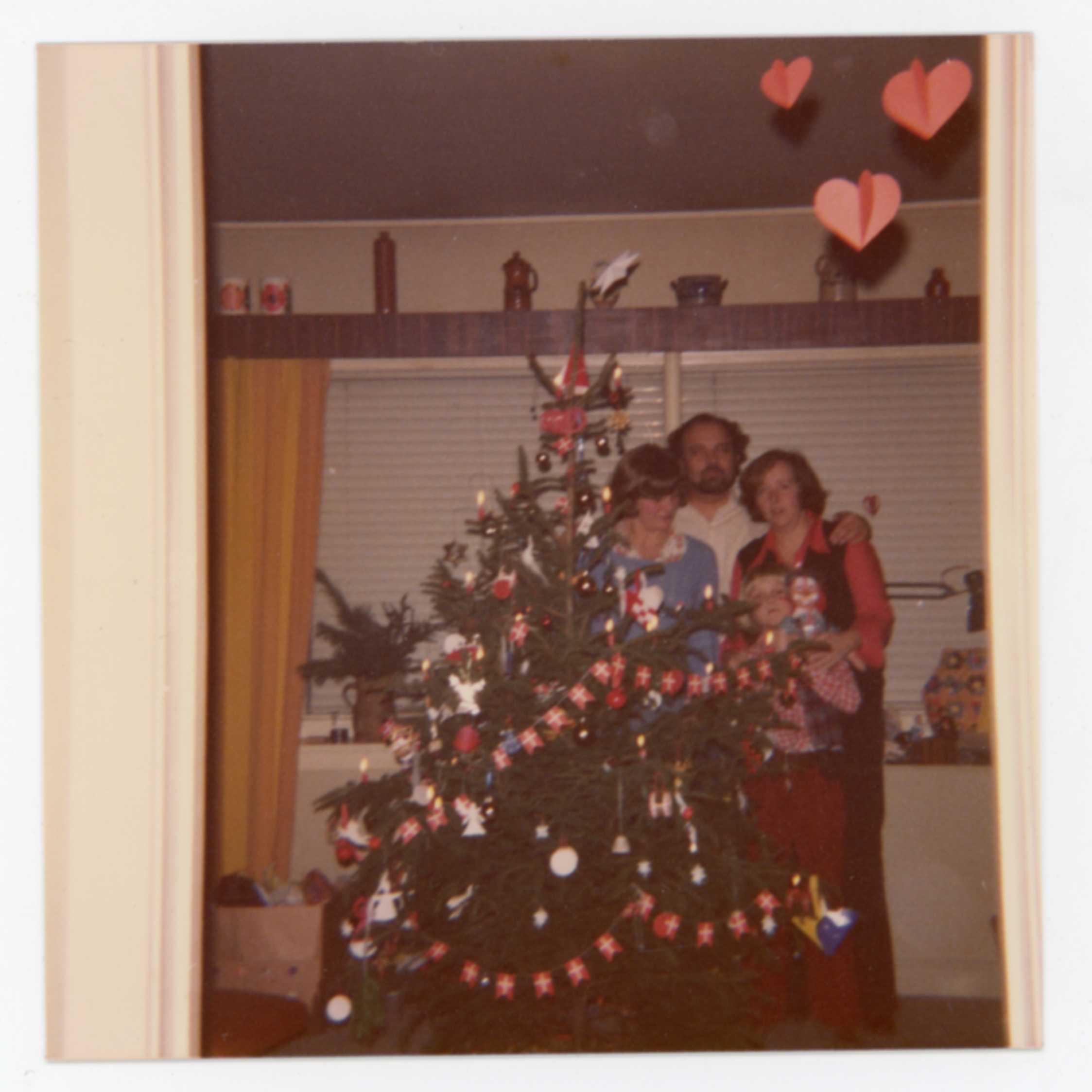
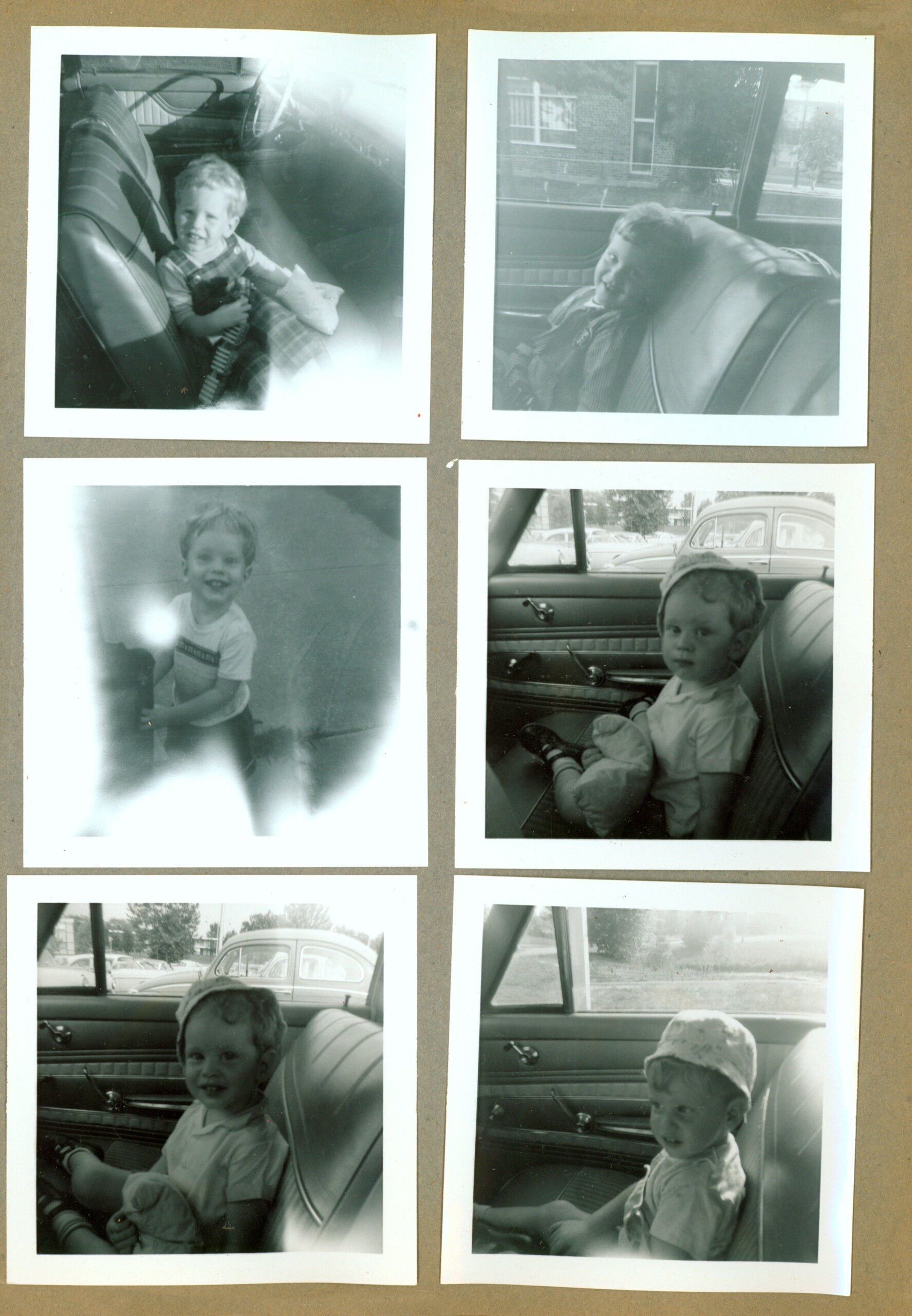
Mette Sandbye reaches over for a photo album with an orange plastic cover. It is her own — the outcome of her first camera. On the front, a sun chariot motif embossed in gold. The first image shows her family posing behind the Christmas tree. The photographs, tucked into plastic sleeves, have now faded into shades of orange and yellow.
»It’s one of the most photographed motifs,« says Mette Sandbye. »The Christmas tree.«
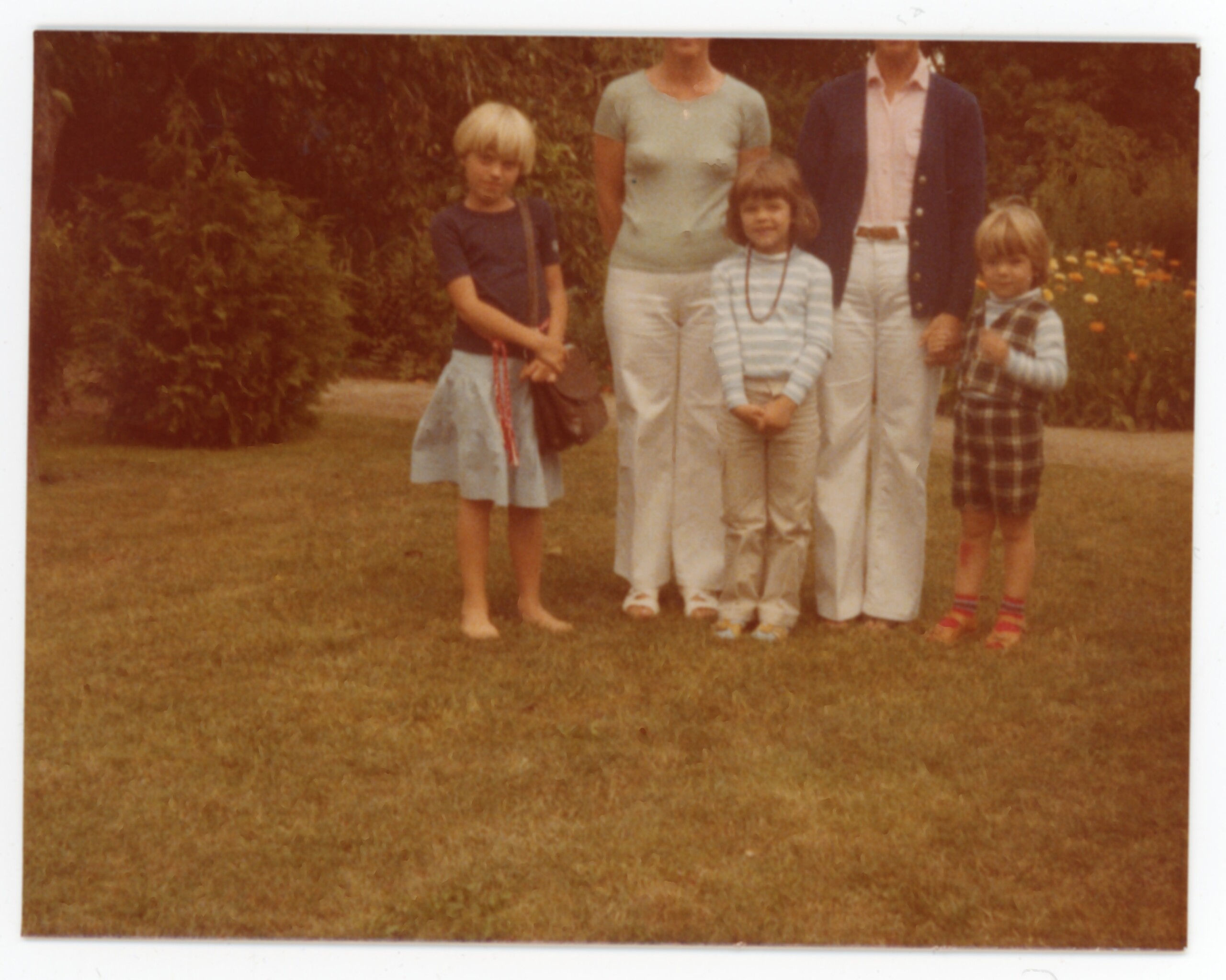
She flips a few pages. A picture from the 1970s of three children and two adults, where the adults’ heads protrude beyond the edge of the photo:
»People weren’t picky about which photos made it into the album. It’s typical to include a picture where the head is just cut off. You took photos of situations just as much as people.«
When the film roll was empty, you went down to the photo shop, handed in the cassette, and paid five kroner for each developed photo. All the pictures were put into the album — you had, after all, paid for them.
PROFILE
Mette Sandbye (b. 1964) holds an MA and a PhD in modern cultural history and comparative literature. She is professor at the Department of Arts and Cultural Studies at the University of Copenhagen.
The book Fra Instamatic til Instagram – Familiealbummets Fortællinger is her latest publication. Published by Strandberg Publishing and nominated for a Danish history book of the year award for 2026.
After Kodak launched the Instamatic, there was an explosion in the number of photos in the 1960s and 70s. Even children could now document their daily lives. But the period has not been widely studied by researchers.
There are three reasons for this, according to Mette Sandbye. First, many families still have their albums stored at home in attics and on shelves. Second, the volume of material is huge — so big that many have not seen its value, and much of it is thrown away. And third, photos from this period are harder to preserve than earlier ones: Colour photos were of poor quality, and the plastic sleeves in which they are often stored are not suitable for archiving.
At university, Mette Sandbye studied Modern Culture and Cultural Communication and specialised in photography. However, this was art photography, and family photos were pushed into the background.
»Photography has generally been an underprioritised field of research. That surprised me when I began my studies, and that’s why I chose to specialise in it.«
She first specialised in art photography. But her interest in old family albums began to grow. As early as 2007, Mette Sandbye went on her first research trip to the United States, and the ideas for her new book began to take shape. Since then, she has done research in the US, Japan, and the UK. It has resulted in a substantial body of articles on various aspects of family photography. Now she has brought it all together in one book.
Mette Sandbye has sourced the material from many different places. Some of it was given to her, along with the family stories. Some of it she tracked down at flea markets, in second-hand shops, and in the archives of the Royal Danish Library. Some of it is from her own family. She hopes the book can help generate interest among historians in the wealth of unexplored material.
»I sense that most historians are somewhat wary of using photos as a source. They prefer written sources, and mostly use photos as illustrations. They rarely take an analytical, image-aesthetic, approach to photographs and don’t really take them seriously.«
When Mette Sandbye was a child, almost all Western middle-class families had photo albums. Nowadays, according to a 2023 study in 11 European countries, only 14 per cent keep up the tradition. Only two per cent of mobile phone photos end up as physical prints.
Photo albums are a vanishing tradition, but the same study shows that eight out of ten people still associate family albums with something positive.
Both the act of taking photos and of creating albums — where you organize the pictures yourself, maybe gluing them in, perhaps writing small texts beside them — is, according to Mette Sandbye, a creative and psychological process of identity formation.
»The way we take photos, especially after the technology became accessible to everyone, I call an aesthetic construction of the world.«
It is a way of seeing and sensing your life, a way of placing yourself in the world.
»We take pictures of our friends and social relationships. Everything from a sunset, to a dinner, or a flower that has just bloomed. What might look random is actually aesthetic. Because aesthetics is about sensing the world,« she says.
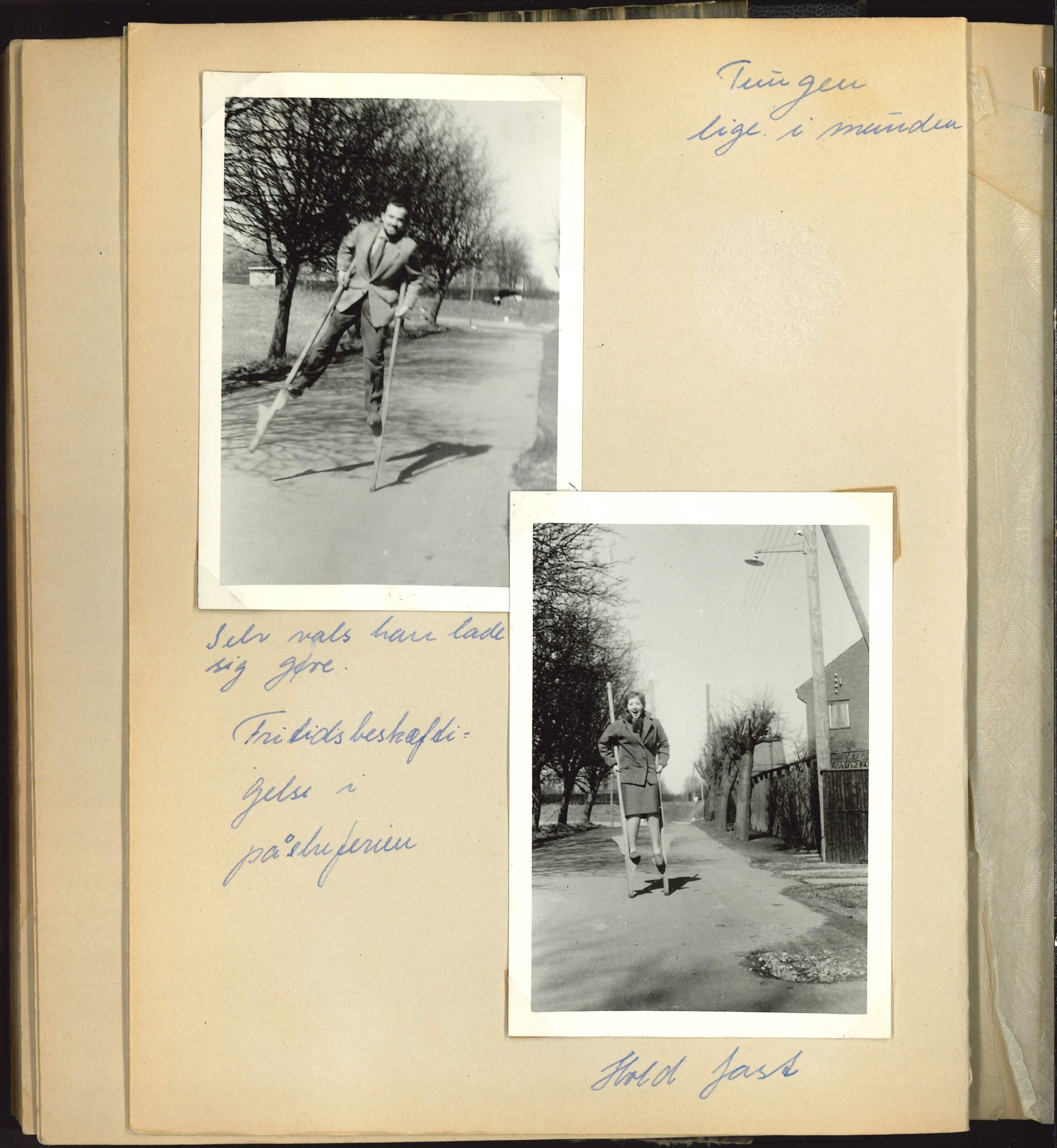
Mette Sandbye reaches over for another album. It belongs to her parents, from when they were young and had just fallen in love. The photographs are in black and white, and one or two sentences have been written next to each image in neat handwriting. Sometimes to explain what is happening in the picture, sometimes just a humorous remark.
In one of the photographs, Mette Sandbye’s mother is in a forest, surrounded by anemones. Spring in Denmark, it says beside it. In another image, Mette Sandbye’s father is on stilts, neat in a shirt and tie. Next to it, is the playful Danish idiom in flowing script ‘Tongue straight in your mouth‘ – or ‘easy does it’.
»As individuals, we have a psychological need to see ourselves as part of a larger genealogy. It’s important for people to see themselves in a broader context,« says Mette Sandbye, and continues:
»Photo albums give a sense of identity — especially in children. And most people agree that photo albums are important. But we no longer make them. Photos end up in the cloud, with maybe some of them being shared on Instagram.«
Mette Sandbye is now rummaging through stacked office shelves.
»It might seem a bit strange that I go out and buy the albums of deceased people. But I see it as saving them from oblivion,« she says, pulling an album down from the shelf and bringing it back to the desk.
»When I flip through other people’s albums, I can sit and imagine what their lives were like.«
The motifs reflect the spirit of their time:
»It was typical of the 1960s and 70s to photograph newly acquired material possessions that people were proud of. It could be televisions, radios, kitchens, and cars.«
Mette Sandbye rummages through the pile of albums on the desk. She pulls out a cheap-looking photo album — the kind you would buy at the photo shop. We are back with the man and woman on the balcony, a British couple on a package holiday. Mette Sandbye flips through it. The vast majority of the photos are of the couple, or one half of the couple, either standing in front of something or relaxing by the water. There are only a few pictures of tourist attractions:
»The pictures they came home with were just mum and dad on a trip. It’s more about reinforcing their relationship and life together, and less about the destination they chose to visit.«
Family albums often portray what we cherish and take pride in. But Mette Sandbye’s research also shows that they can be used to process grief and loss.
When she was in the United States, she came across a family album at a research library in Chicago. It was a wedding album of a young couple who married in July 1963. The album shows the couple’s wedding, their honeymoon, and their newly acquired red Corvette convertible.
In the next album, the mood shifts. The pictures are in black and white and show almost exclusively a small child and a car. On another page, a newspaper image from the assassination of Robert F. Kennedy in 1968 has been pasted in.
Mette Sandbye managed to get in contact with the man who had submitted the albums to the library, and he told her the story behind them.
The couple divorced shortly after having a son. Album number two is from after the divorce. The woman was granted custody, and the father was allowed to visit every Saturday and take his son for a drive. He made an album with pictures from his Saturdays.
»The father used this album as a way of working through his own grief. It shows the sorrow of his own personal tragedy, with the image of the murdered Kennedy reflecting the sorrows of the times.«
Mette Sandbye has also found albums that were made by a mother and given to each of her sons on the day they moved away from home — a way of saying goodbye. Another album, which she found at the Royal Danish Library, looks like a classic family album with holidays and parties, card games, and Christmas trees. But it ends with pictures of the daughter’s grave. The rest of the album is filled with blank pages.
»You get a bit of a shock seeing the gravesite suddenly appearing among all the happy moments. It’s like an open wound,« says Mette Sandbye.
»It is a psychologically important, human, creative, and sensory impulse to take photos, and albums can be used to build a bridge between what was, and what comes after.«
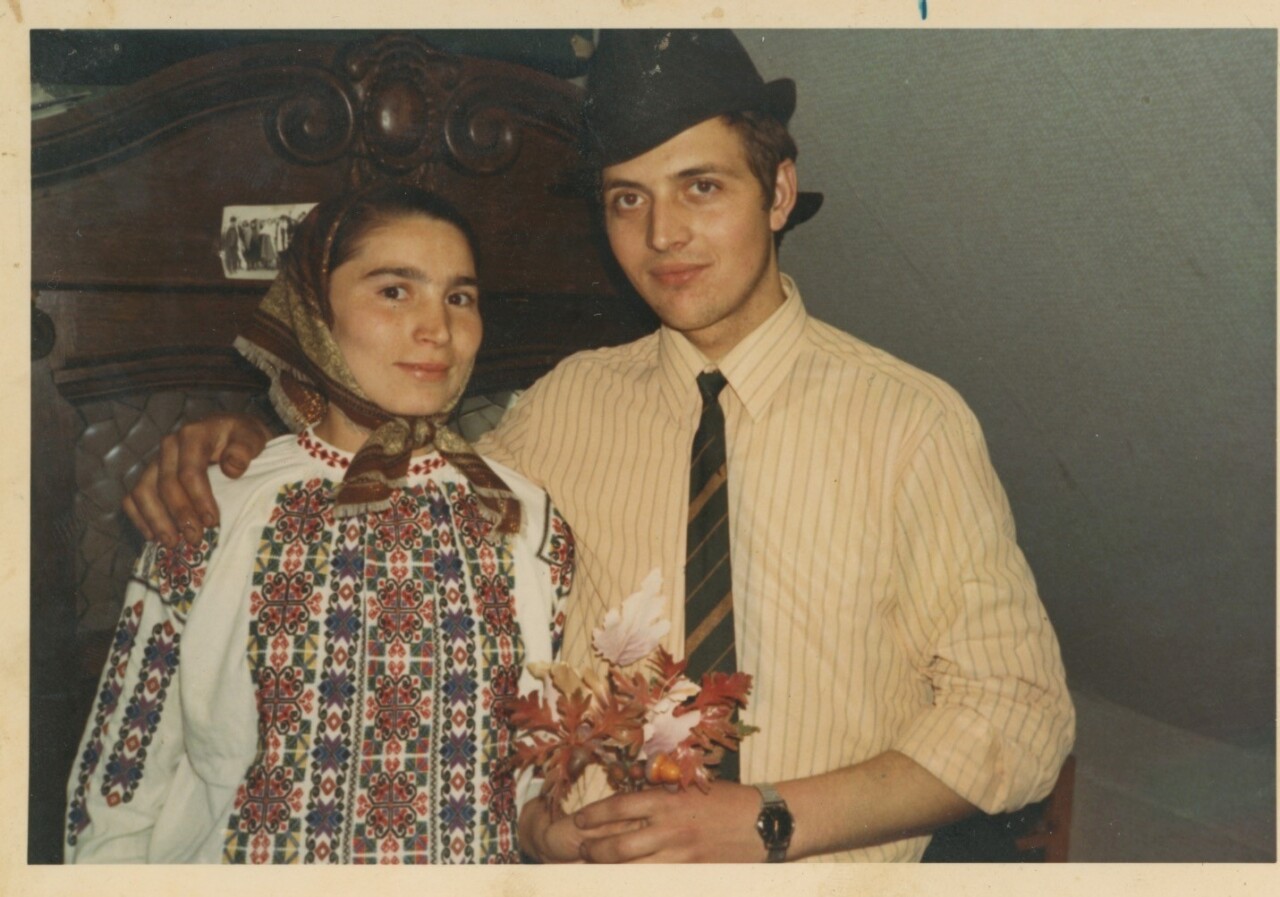
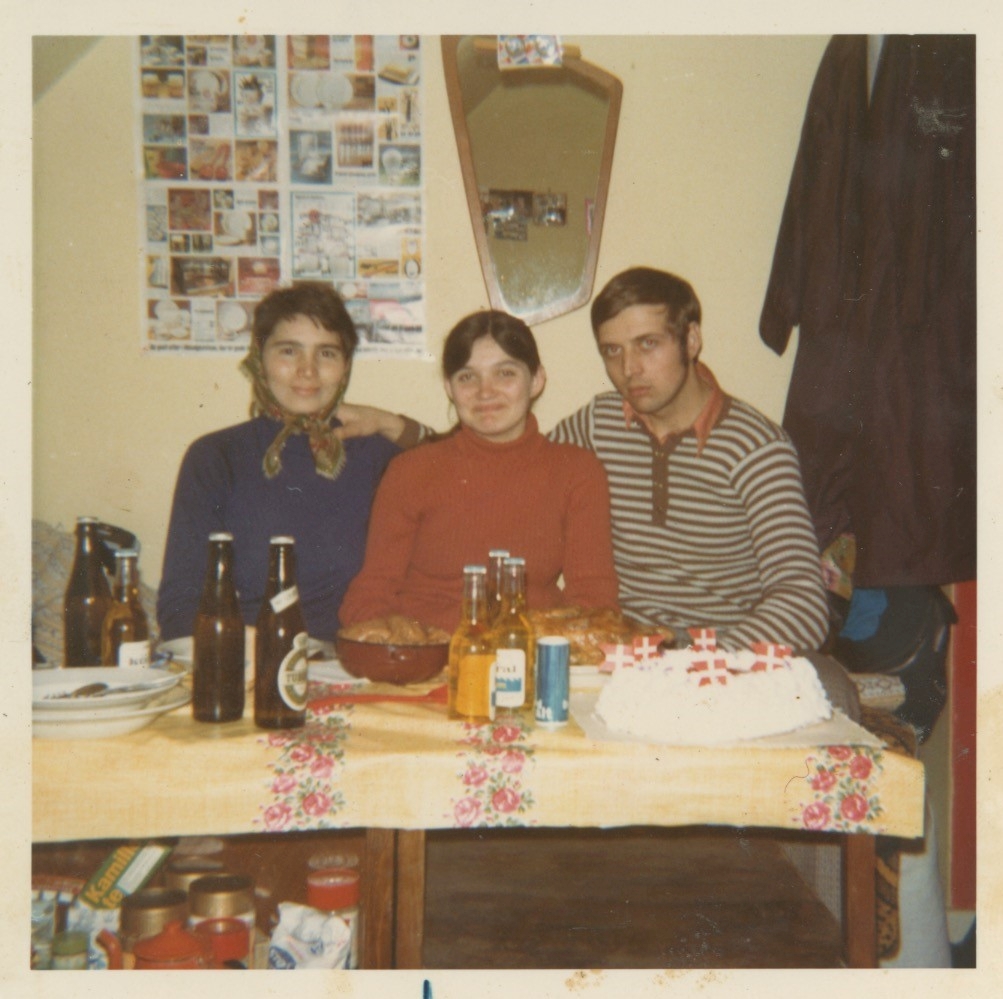
Family albums can also be used as a means of communication and cultural mediation. Mette Sandbye discovered this when she got hold of a stack of albums from a family from Serbia who came to Denmark in the 1970s as guest workers. They left their son behind with his grandparents in Serbia while they found work at Holmegaard Glass Factory.
In the album, there are pictures of them in traditional Serbian dress, but also photographs of Danish flags on cakes, Tuborg beer on the table, and a Danish Christmas calendar.
While the son was in Serbia, the family sent pictures back and forth so they could share the new culture.
The son only came to Denmark at the age of 15, when his parents gradually had come to accept that they would probably not be returning to Serbia.
Mette Sandbye finds an old newspaper article in which the family was interviewed in the Danish newspaper Politiken. They said that they had been well received and felt as if they were Danish, but that they still held on to their Serbian roots.
»The album enriches our understanding of what immigrant culture looked like in the 1970s. There are parallels to migrant culture today, but it is as if people were more open to negotiating identities back then — including the Danes.«
A more recent example, which Mette Sandbye also includes in the book, is from her sister. She is married to an Indian man, and to keep the Indian side of the family updated — especially on the lives of their grandchildren — they make a photo album every year. It is one of those albums where you submit digital images and have them printed in a beautiful book, which then arrives in the mail a few days later.
»Here we see the same communicative aspect as with the migrant family from Serbia. It’s a way of keeping people updated and of conveying culture.«
Mette Sandbye herself, like many others, stopped making family albums around the year 2010, when her youngest son was eight. A family trip to Japan is the last physical album on the professor’s shelves. She — just like everyone else — moved over to digital photos.
With digital photography many more images were suddenly available. It feels as if we are swamped with them — yet we rarely look at them again. Algorithms help us along the way: ‘This is what you did on this day four years ago’, ‘Summer holiday 2018’.
»The virtual albums are curated by an algorithm — not by ourselves. And that’s why, in one nostalgic glimpse of a summer holiday in Tenerife, a random screenshot of a shopping list suddenly appears,« says Mette Sandbye.
The range of motifs has also expanded significantly nowadays. We take pictures of everything from to-do lists to sunsets. And there is a difference between whether we use them to remember experiences, or to post a story on Instagram, knowing that it will disappear after 24 hours.
»There are more fleeting and communicative images now, but we still see plenty of Christmas trees.«
We have become far more aware of what we want to share with the outside world. Images are no longer permanent in the same way. This also makes them harder for researchers to access.
»It’s a paradox: Never have so many pictures been taken. Yet we look at them less and less. And we have never had more difficulty accessing and preserving them.«
And because everything is digital, the physical aspect of sitting and flipping through a photo book — and spending the time curating the images as a way of processing memories — disappears.
»If someone like me, in 30 or 40 years time, wants to study how people depicted their everyday lives in 2026, they will have a hard time. Partly because everything is digital, and partly because the images are stored on commercially owned platforms.«
And because the images are so diverse, no one is taking care of them or preserving them for the future.
This article was first written in Danish and published on 18 March 2026. It has been translated into English and post-edited by Mike Young.