

Universitetsavisen
Nørregade 10
1165 København K
Tlf: 35 32 28 98 (mon-thurs)
E-mail: uni-avis@adm.ku.dk
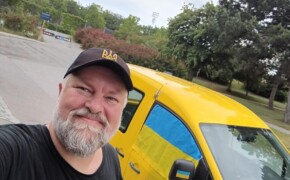
When Russia chose »the wrong side of history«, teaching associate professor Mads Büchert Eskildsen could no longer remain a spectator. He now spends his annual leave and his own money driving vehicles to Ukraine, where they help on the front lines – even though this means risking 15 years in prison in the country he has spent his entire working life studying.
UCPH will not achieve its ambition of halving its climate footprint by 2030. The university’s spokesperson highlights its thorough and transparent approach to climate accounting, but says everyone would have liked to see better progress.

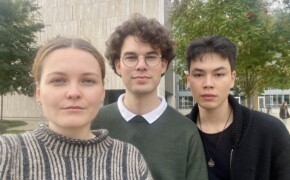
Life on short-term contracts, marked by constant uncertainty, demands superhuman strength, say Jaime Caballer Revenga and Salvatore Paolo De Rosa. Through the network We Are The University, they want to bring colleagues together, put pressure on the unions and rediscover the strike as a tool.
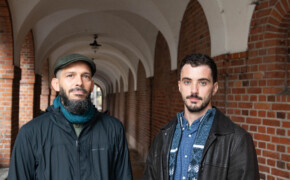
The university will continue to have six faculties, but its academic disciplines will be organised differently. According to the Rector, the new structure should better »reflect reality«. Staff have responded to the plans with reservations and reform fatigue.

A new study shows that many researchers feel the conditions attached to research funding restrict their work. Movement for a Free Academia calls for a different balance and proposes a fixed annual sum that researchers can spend at their own discretion.

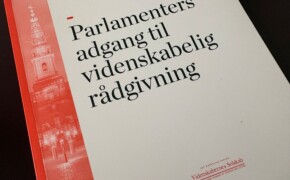
A new report recommends a pilot scheme to improve the Danish Parliament’s access to independent scientific advice. Newly elected Speaker Henrik Frandsen is willing to look into the proposal.
The best moments of Kristian Lauta’s student years came when lecturers ventured beyond the curriculum. He wants to pass that experience on as UCPH’s Prorector for Education, a role he will now hold until 2030. At the same time, he must navigate artificial intelligence, student protests and a master’s degree reform he remains critical of.
SCIENCE’s teaching blocks are to be shortened from eight weeks to seven. Two union representatives fear the impact on teaching and criticise insufficient staff involvement. The associate dean defends the change but acknowledges some loss of quality.
The University of Copenhagen is growing and attracting more research funding than before. Even so, its reserves will be depleted before 2030 if management’s measures fail. Uniavisen gives you an overview of what is putting the university’s finances under pressure - and what management plans to do about it.