


Universitetsavisen
Nørregade 10
1165 København K
Tlf: 21 17 95 65 (man-fre kl. 9-15)
E-mail: uni-avis@adm.ku.dk
—
Foreninger
Studenterkoret Concentus er en musikalsk forening med tid til fordybelse og plads til mange flere end bare studerende. Der er fokus på musik, fællesskab og kage.
Jo tættere man kommer på Katedralen i CSS-labyrinten mandag aften kl. 19.00, jo tydeligere fyldes fakultetets gamle mure af musikalske toner.
Her holder studenterkoret Concentus til, hvor sangglade unge hver uge samles om glæden ved musik.
Concentus
Hvem: For alle sanginteresserede. Der afholdes åbne og uforpligtende øvegange hver semesterstart.
Hvor: Katedralen/Katten i bygning 16, Center for Sundhed og Samfund (CSS), Øster Farimagsgade 5, 1353 København K.
Hvornår: Mandage kl. 19.00 – 21.15
Hvad så nu: Læs mere her https://www.mua.dk/alle-kor/concentus/
»Det er et studenterkor for alle studerende,« fortæller Vanessa Petersen, som studerer medicin på 11. semester og i sin fritid er bestyrelsesmedlem i Concentus. »Vi har også medlemmer fra andre universiteter end KU og endda også dimittender.«
Mens hun taler, strømmer unge til, og Katedralen, som i daglig tale kaldes Katten og har til huse i bygning 16, er snart fuld af mennesker. En gruppe veninder griner og snakker i munden på hinanden, så de næsten ikke har tid til at smide overtøjet.
Der er meget, der skal berettes om i de ti minutter, inden øvesessionen går i gang. Weekenden har nemlig været en begivenhedsrig en af slagsen.
»Vi er lige kommet hjem fra den halvårlige korweekend, så vi er alle sammen lidt trætte og hæse,« forklarer Vanessa. »Jeg tænker, at de af os, der ikke var med, bærer koret i dag,« griner hun til et par af sine medsangere.
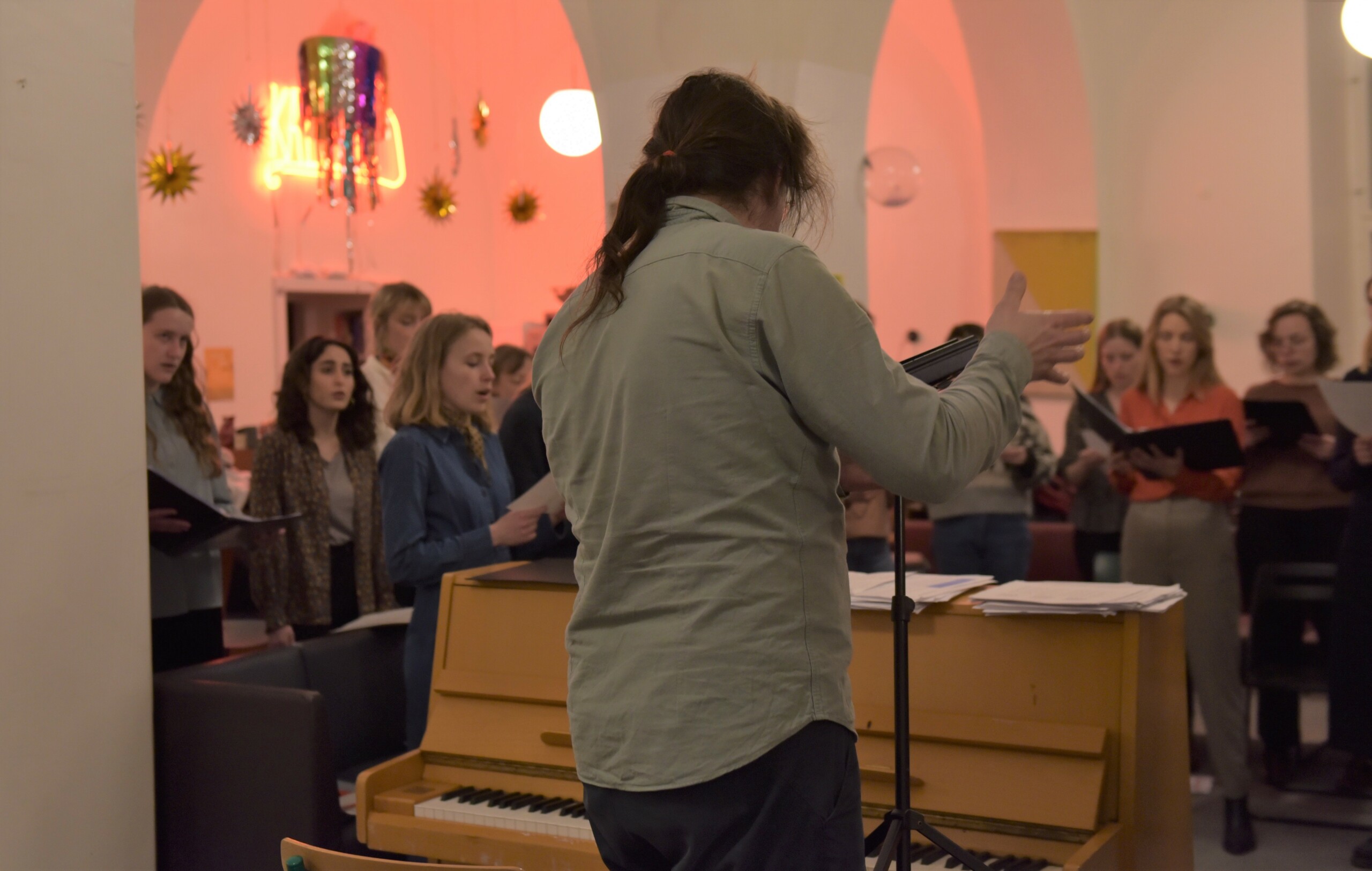
Bedst som folk er i gang med at overgå hinanden med anekdoter fra weekendens strabadser, træder korleder Toke Odin ind ad døren. Han er uddannet fra Det Kongelige Danske Musikkonservatorium, og mens han kommer slæbende med noder og sangbøger, hører småsnakken op.
Folk næsten falder over hinanden for at hjælpe til. Klaveret rykkes ind i midten af lokalet, og sofaer og stole skal skal placeres ordentligt, før opvarmningen kan gå i gang.
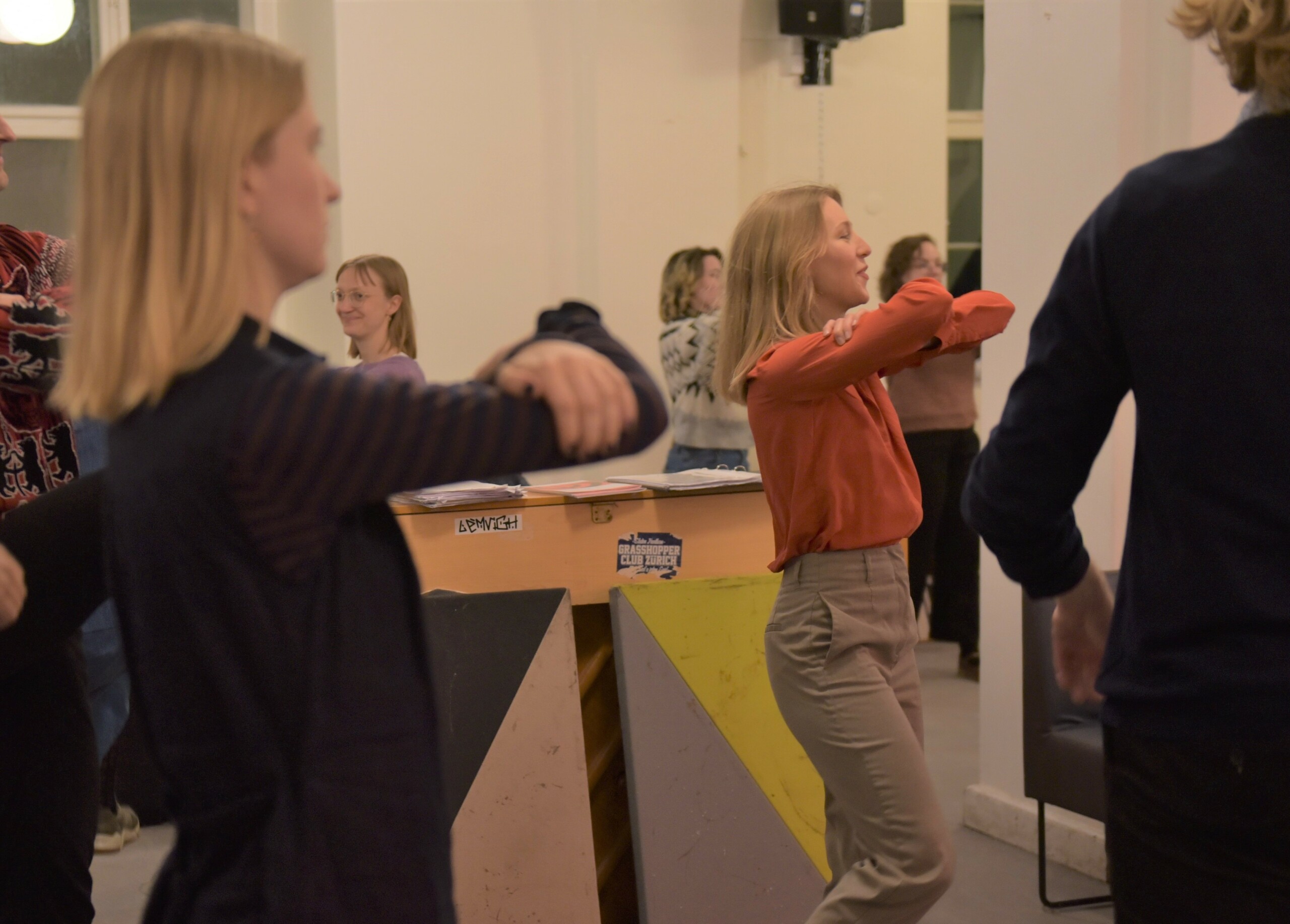
De mange sangere varmer op med krops- og nynneøvelser. Folk hopper på stedet og svinger med armene, og efter 15 minutter kan korets egentlige formål begynde.
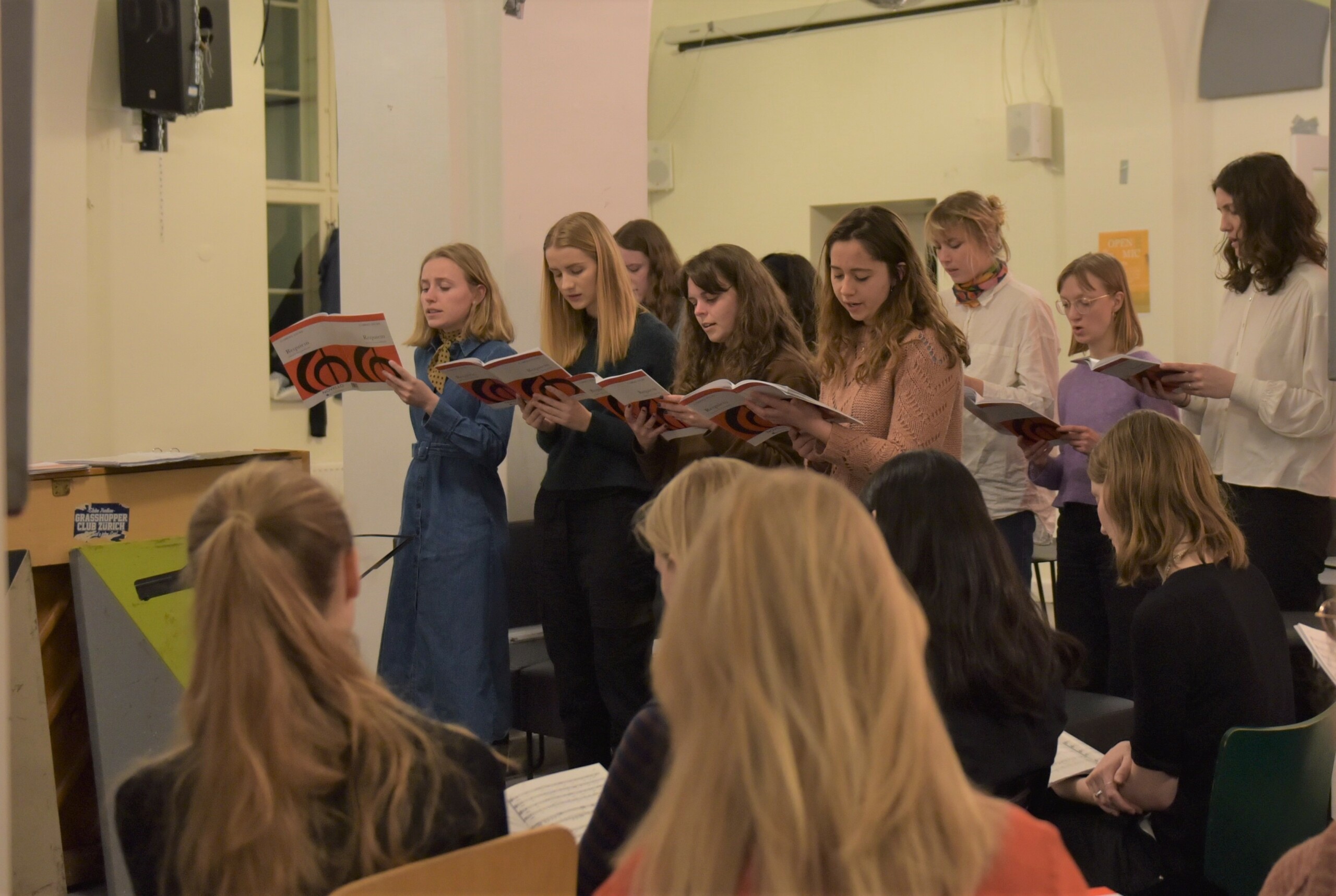
’Sig nærmer tiden’ er første sang på repertoiret, og de fremmødte stimler sammen i deres respektive stemmegrupper. Sangen er forholdsvist ny for koret, der først har fået den udleveret i korweekenden, og ikke alle kan den lige godt. Nogle står med lukkede øjne og synger med, mens de, der er mindre velbevandrede i Blichers musikalske bagkatalog, kaster stjålne blikke mod nodearket.
»Kan vi tage vers tre igen?« spørger en ung mand, og så starter Toke forfra, og alle stemmer i.
Det særligt genstridige tredje vers starter med ordene ”Jeg skulle sjunget lidt mer måske – måske vel også lidt bedre”, som står i stærk kontrast til musikken i Katedralen. Snart lyder det, som om koret aldrig har sunget andet.
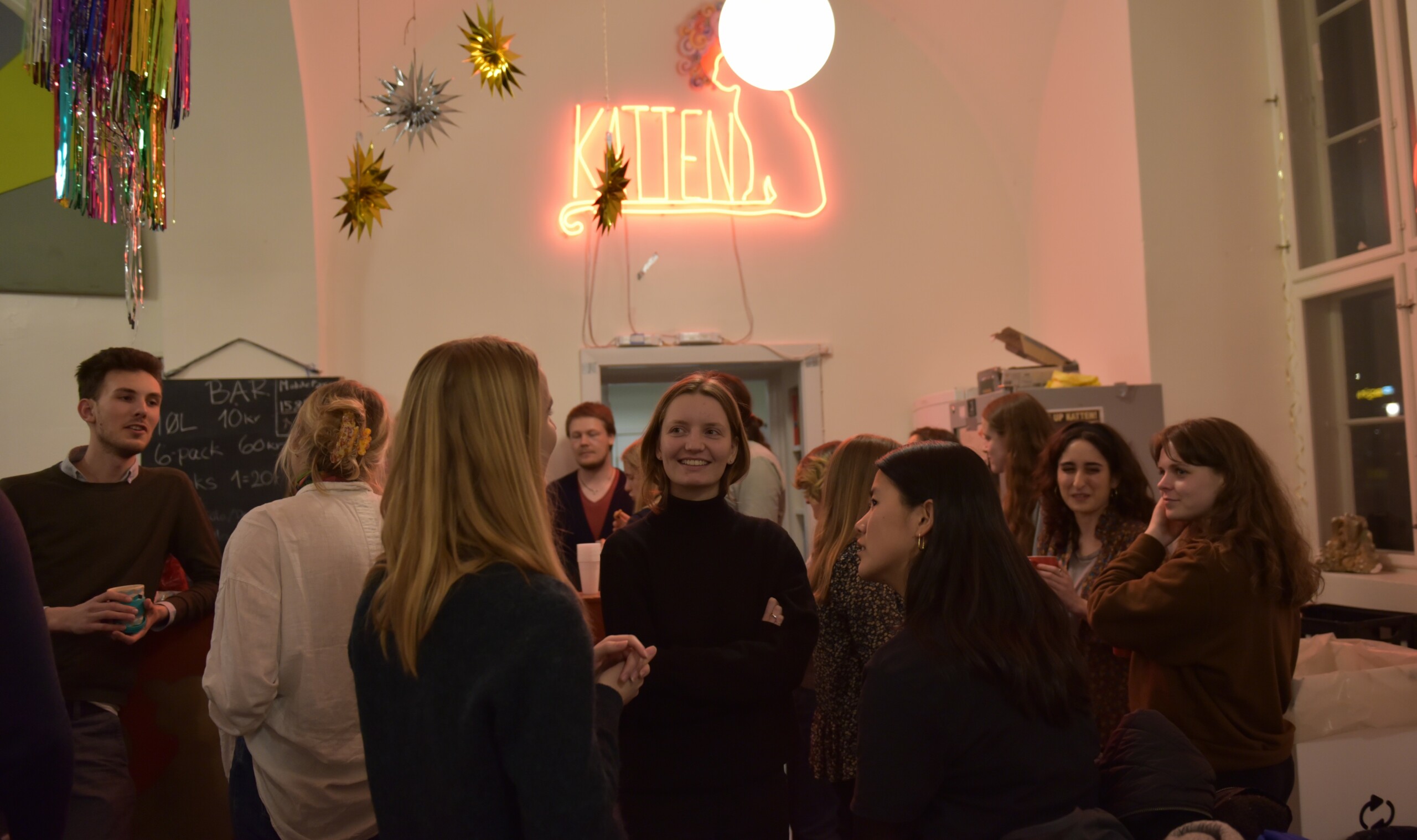
Efter ca. halvanden time er det tid til en pause. Det er dog ikke længe, de trætte stemmer får lov at hvile sig, for alle skal nå at tale med alle og samtidig spise kage.
»Pausekagen er super obligatorisk. Der er næsten offentlig udskamning, hvis man ikke står på kagelisten,« fortæller Astrid Brauer med et smil.
Astrid studerer statskundskab på 4. semester og har været en del af Concentus siden sidste semester. Hun har sunget i kor i mange år forinden og er glad for at kunne genoptage musikinteressen i universitets-regi. Men det vigtigste er fællesskabet.
»Det sociale er virkelig fedt! Man lærer folk fra alle studier og alle årgange at kende. Min studietid er helt sikkert blevet endnu bedre, efter jeg kom med i koret. Det er super dejligt at have mandag aften som et lille frirum.«
Astrid fortæller videre om koret, som ud over ugentlige øvedage, korweekender og koncerter også er et rigtig godt sted for nye studerende.
»Jeg husker tydeligt dengang, jeg startede. Så snart jeg trådte ind, snakkede folk til mig. Man kommer ikke ind og står akavet i døren. Folk er sygt gode til at hive de nye ind i fællesskabet. Alle bliver taget under korets vinge, og alle snakker med alle og hygger.«
Concentus’ rødder går tilbage til starten af 00’erne. Dengang var koret for studerende på Det Samfundsvidenskabelige Fakultet, men i dag er det for alle. I skrivende stund tæller foreningen omkring 35 medlemmer, og man kan være med uanset uddannelsesbaggrund og musikalske evner.
»Det er klart, at man skal kunne ramme tonerne, men det er okay ikke at være en stor sangerinde,« forklarer Vanessa, som ingen korerfaring havde, før hun startede i koret for tre år siden. »Vi er ambitiøse, men alligevel åbne for, at alle niveauer kan være med. Vi har nogle, der er ansat som kirkesangere, og så har vi nogle, der aldrig har set et nodeark før.«
I løbet af semesteret øver og perfektionerer det musikalske fællesskab ca. 12 sange. Stilarten varierer mellem sange fra 1200-tallet og op til i dag, og man er altid velkommen til at komme med forslag.
»Man skal egentlig bare kunne lide musik,« afslutter Vanessa. »Vi er jo en forening, som har en fællesinteresse og gerne vil dyrke musikken i et socialt fællesskab. Én ting er at dyrke musikken selv, men når man gør det sammen, og det bliver en enhed, hvor det bare klinger, så er det en helt fantastisk følelse.«
Og så har Vanessa ikke længere tid til at tale med Uniavisen. Pausen er slut, Toke har sat sig tilbage til klaveret, og musikken skal til at gå i gang igen.